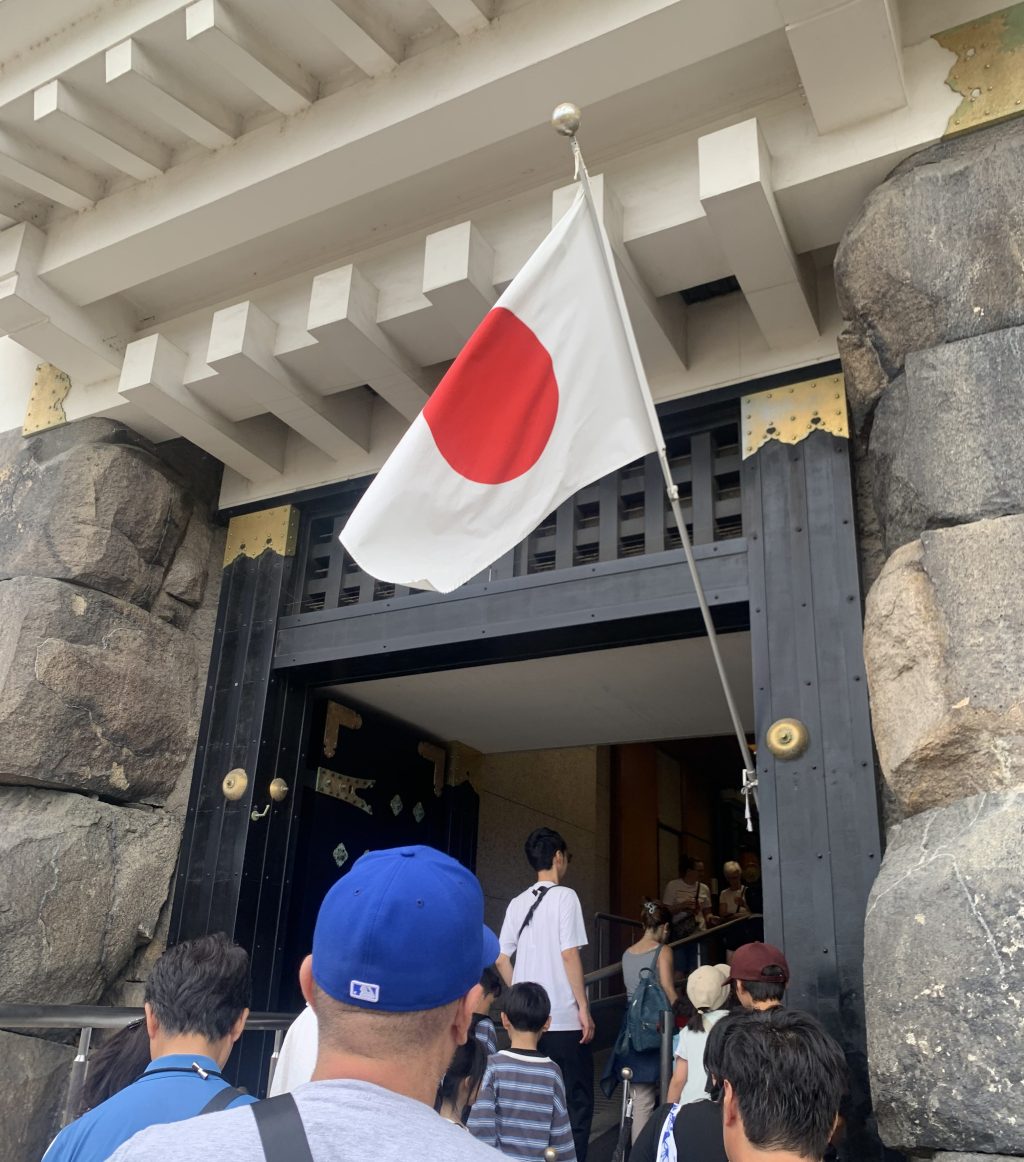
Every year, my social media pages are flooded with posts from friends and family wishing good riddance to the current year in favor of the new one. For me, a year is what you make it, just like an experience is what you make of it. I understand that some years are harder than others and filled with challenges, but most people, if they look, can find at least one thing that made the year at least a little less difficult.
For me, 2025 was challenging financially. Because I got a new job the year before with a higher salary, it meant my tax return was a lot less than what I was used to getting. But it also meant that overall, I was in a better position financially year round, as I was bringing in more money. I also only had one acting job this year due to time constraints and wasn’t able to take an acting class I love doing. Still, that one acting job was a play in the New York Theatre Festival where I played a British elf and wizard. It helped that I also was taking accent classes and was able to learn a few dialects to use during the performance. I even got a video of it that I can add to my reel.
For me, I choose to look at the highlights of a year rather than the negatives, not only because it makes me feel good but also reminds me to be grateful for what I have rather than upset over what I don’t. There’s always a lesson to be learned from any experience, good or bad, that will help you in the long-term. You just have to look for it and seize it.
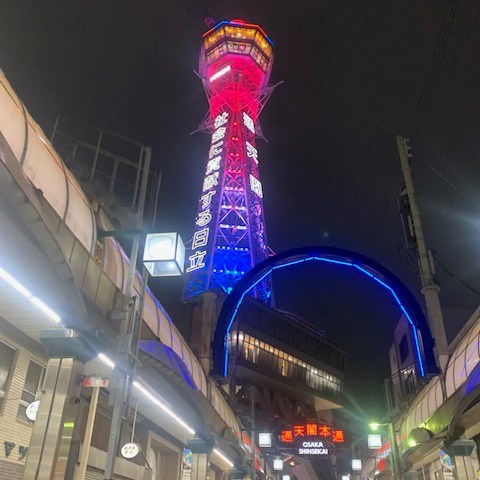
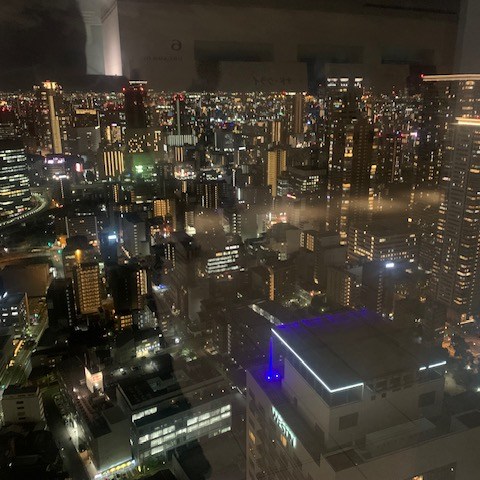
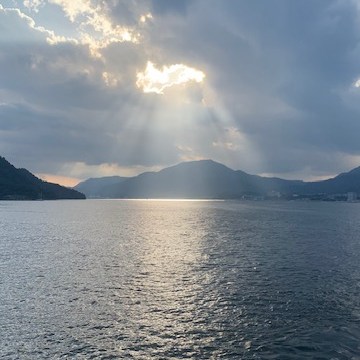
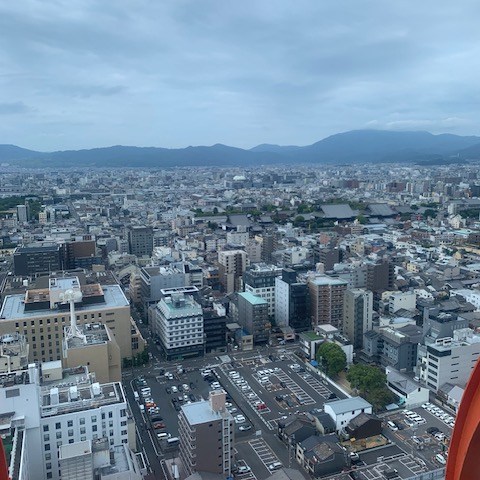
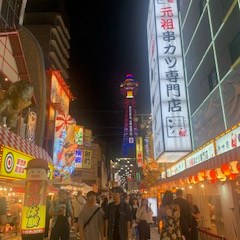
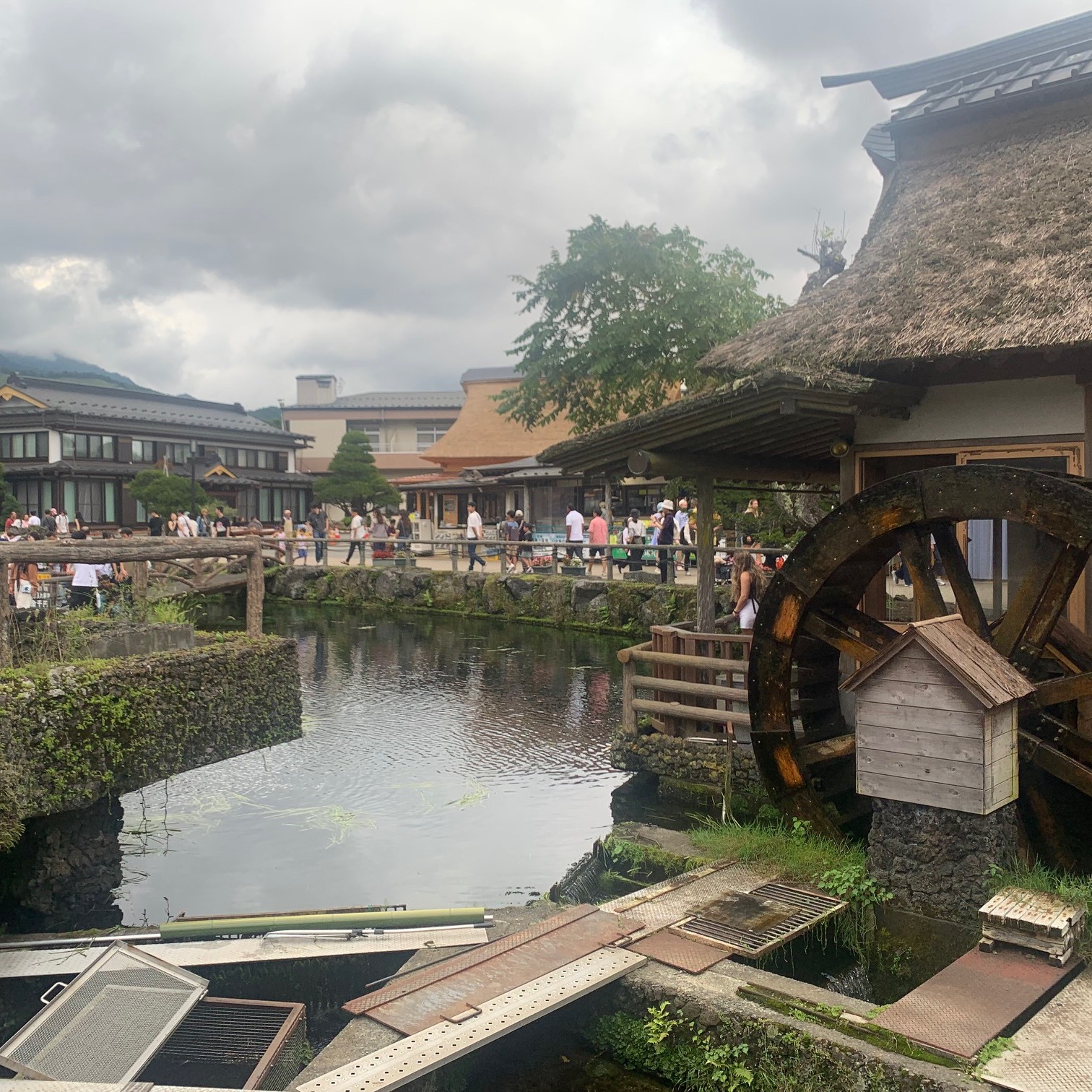
Of all the experiences I went through in 2025, none can top the three weeks I spent backpacking around Japan, a dream of mine since I was a teenager. I flew in to Tokyo and after a few days there, made my way to Kyoto, Osaka, Hiroshima, Nagasaki and Nihonmatsu, with day trips in between to villages around Mount Fuji, Nara, Uji and Hashima Island (also known as Gunkanjima or Battleship Island).
Yes, there were many things in Japan that we don’t have in the US that I was jealous of. For example, despite having no trash cans, the streets of Japan are almost spotless, with the Japanese going out of their way to keep it clean due to the respect they have for their surroundings. The country also emphasizes safety more with guardrails and laws that have led to less crime and gun violence. The technologies for dispensing ice cream symetrically and heated toilet seats were also a source of envy. Additionally, the lack of preservatives in the food made me wish more than ever that I could move there instead of living in the US.

But then I did some digging and learned some things about Japan that I’m glad do not exist in the US. For instance, it is challenging for people to leave a company in Japan for another as it is seen as a sign of disrespect. In some cases, people actually have to hire services that help them end relationships with their current employer so they can move on. Also, US college entrance exams are less stressful compared to those in Japan, with more alternatives for pursuing careers. There is also much to be said about the fact that US emphasizes personal freedoms and individualism, compared to Japan, where there is more pressure to conform to societal roles.
Still, backpacking around Nihon was the trip of a lifetime and one filled with endless highlights, which I discuss below.
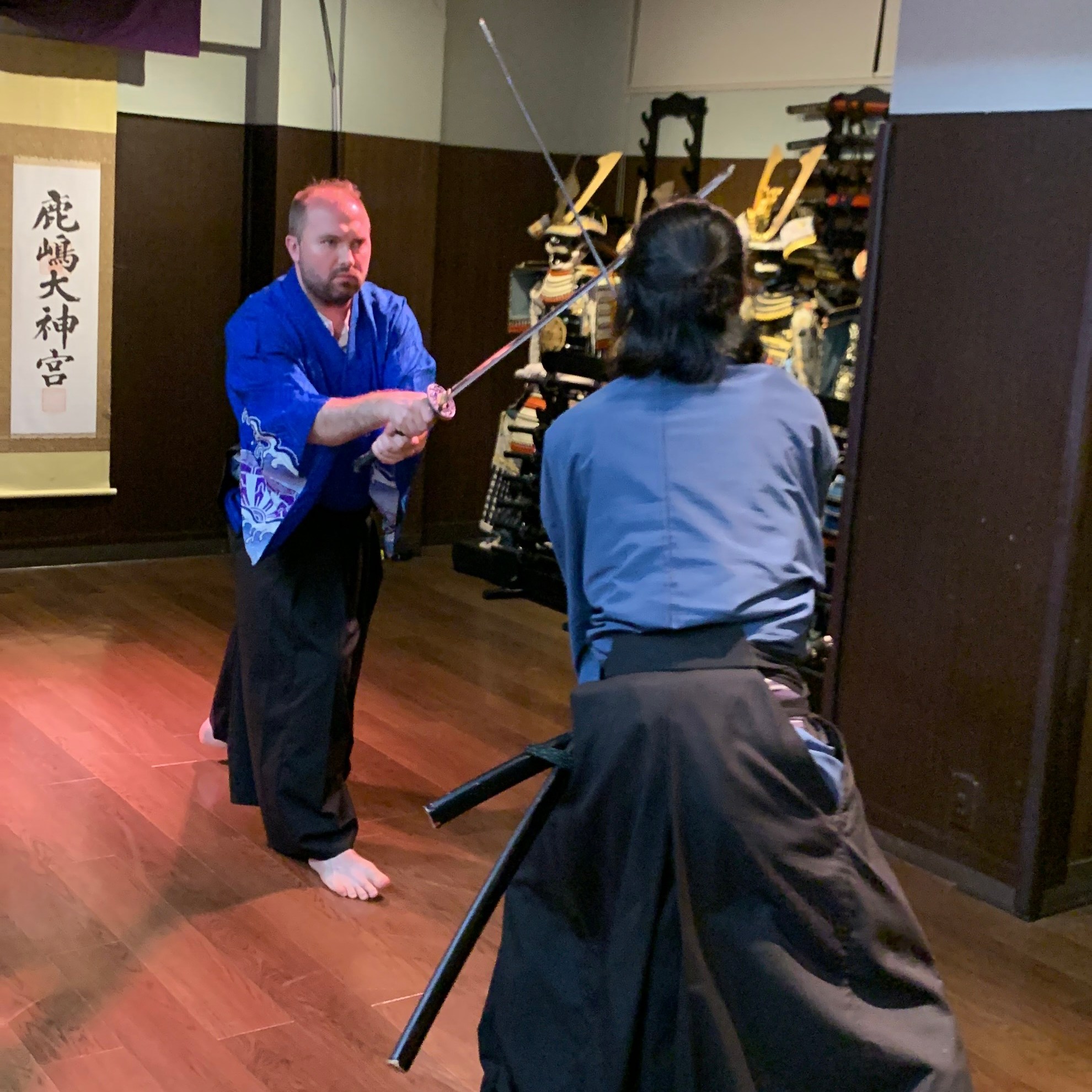
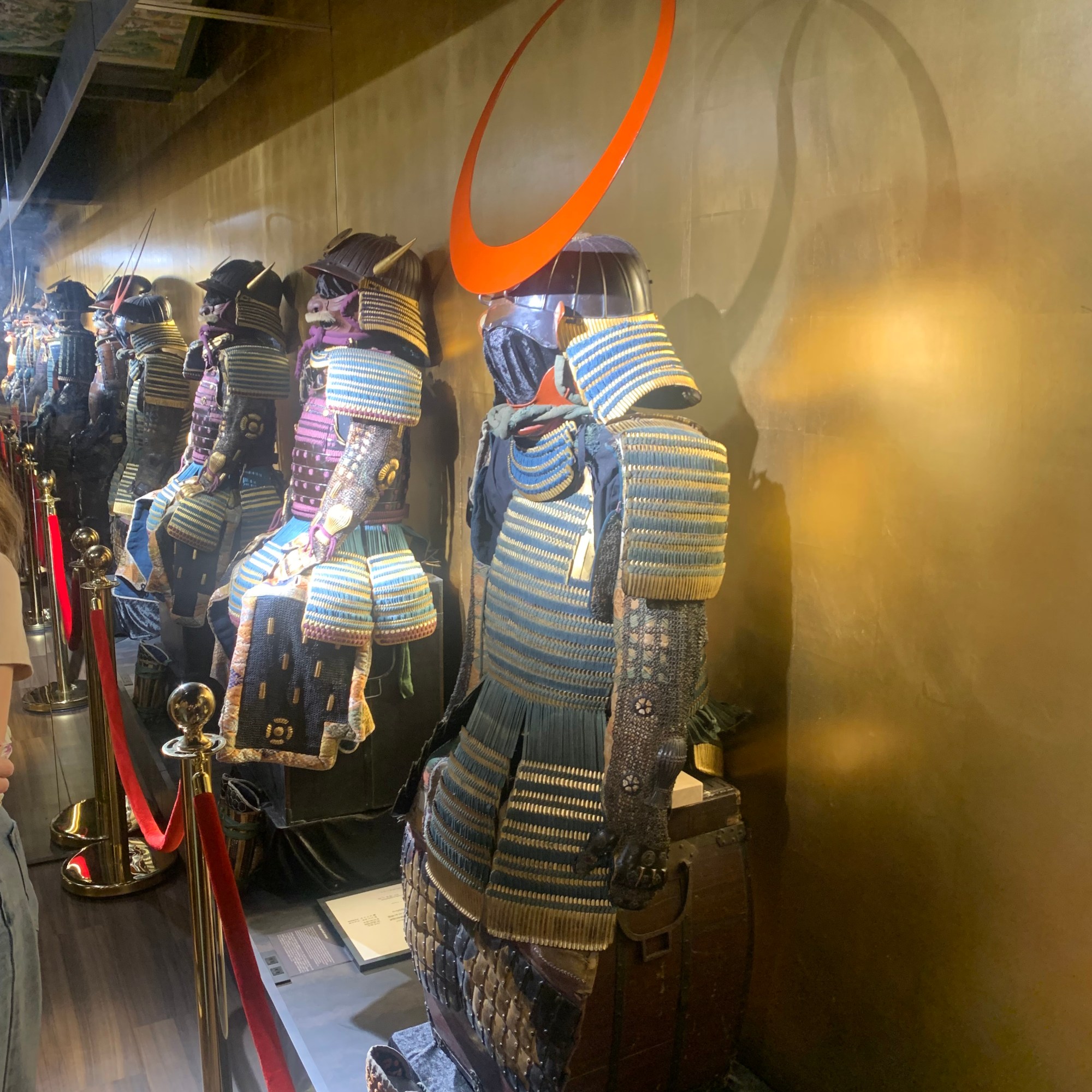
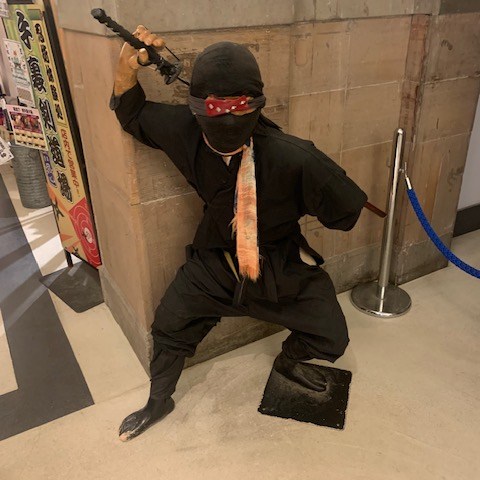
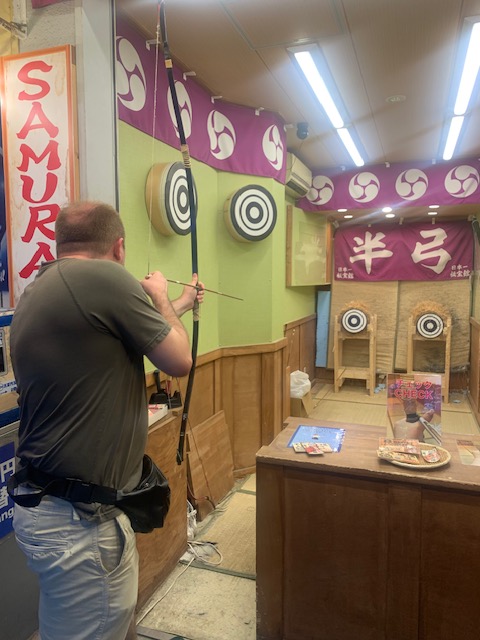
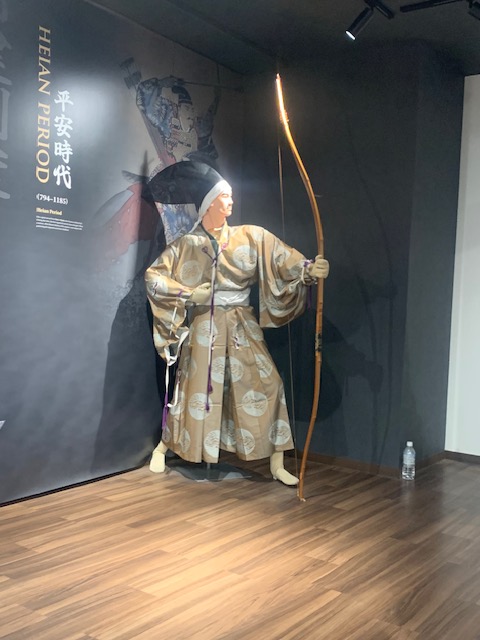
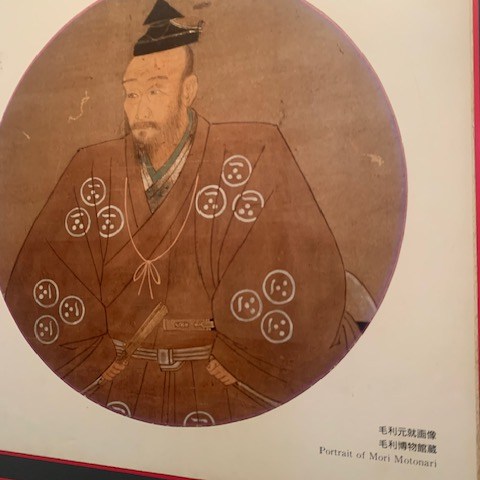
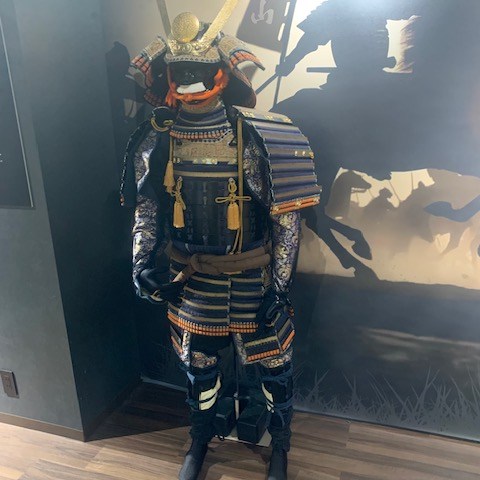
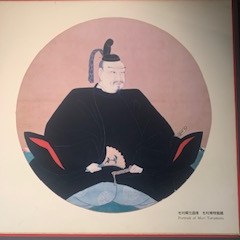
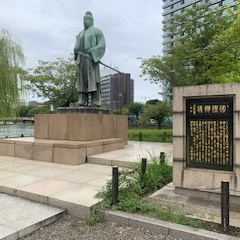
My favorite part was learning about the history of the feudal samurai who went to war with one another for over 100 years and later ruled over Japan under the military government of the Tokugawa shogunate. I learned a lot of this at a Samurai-Ninja museum in Kyoto and even took a samurai fighting class in Tokyo where I learned to use a katana (samurai sword). Fun fact: The katana was actually more of a background weapon or for show due to the fact that a few hits could lead the blade to be mishapen. Samurai actually primarily used bow and arrows and spears, and later, matchlock firearms.
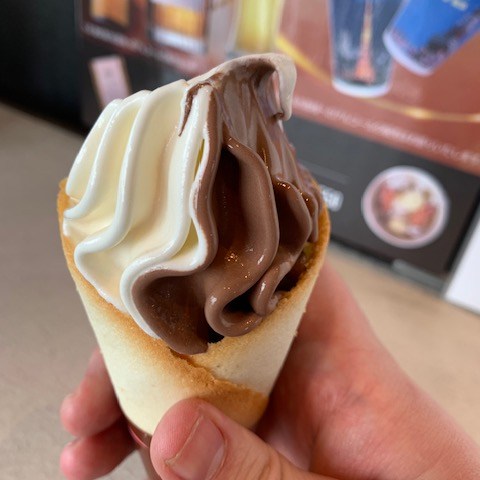
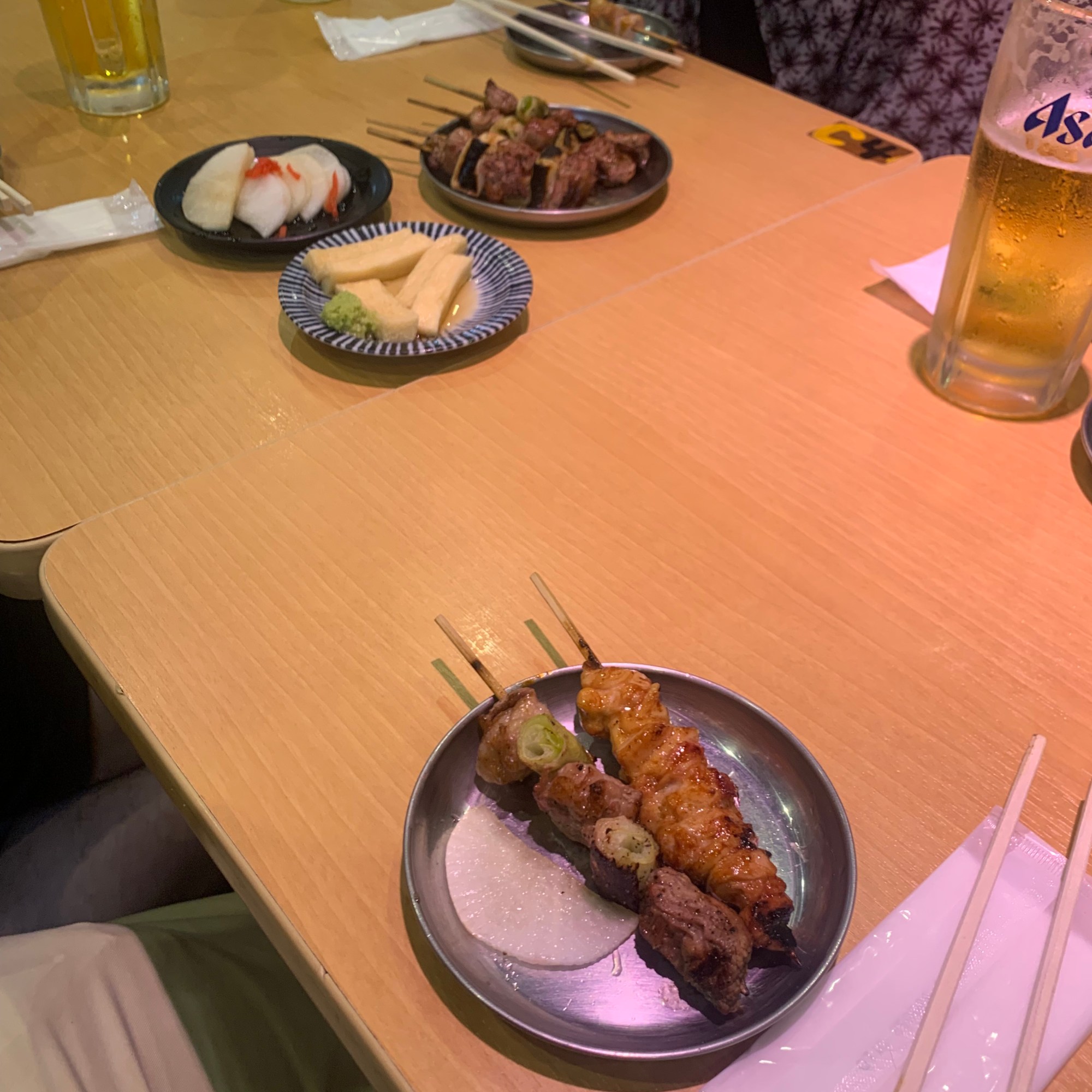
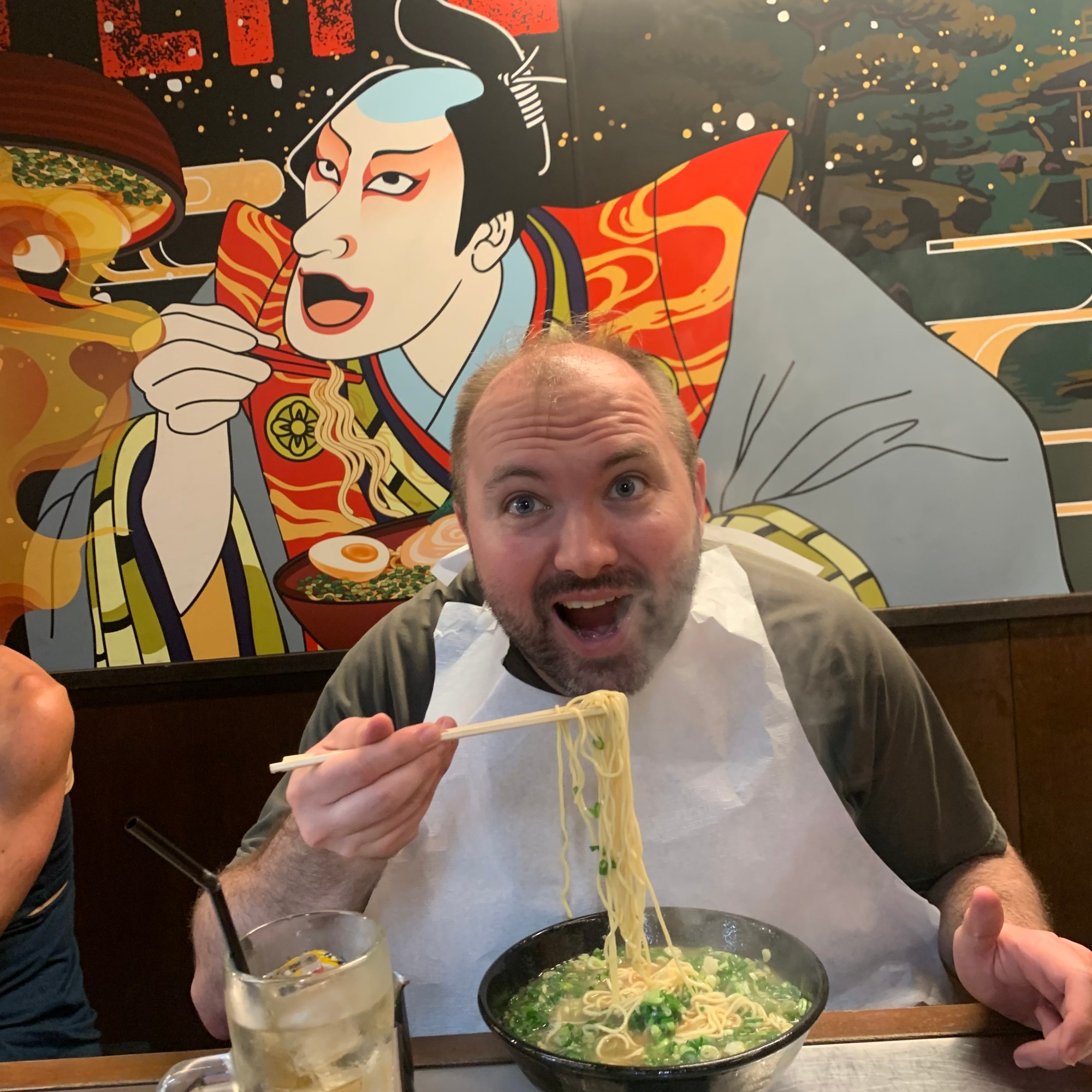
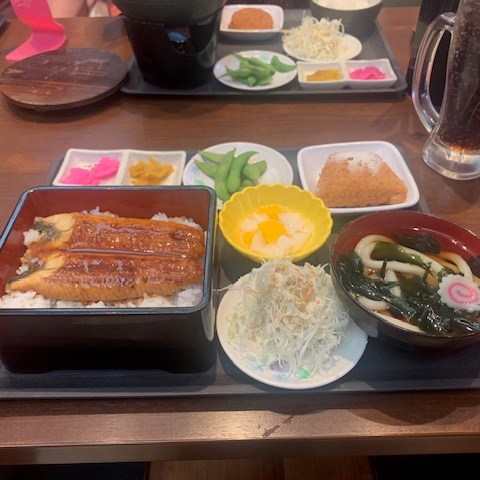
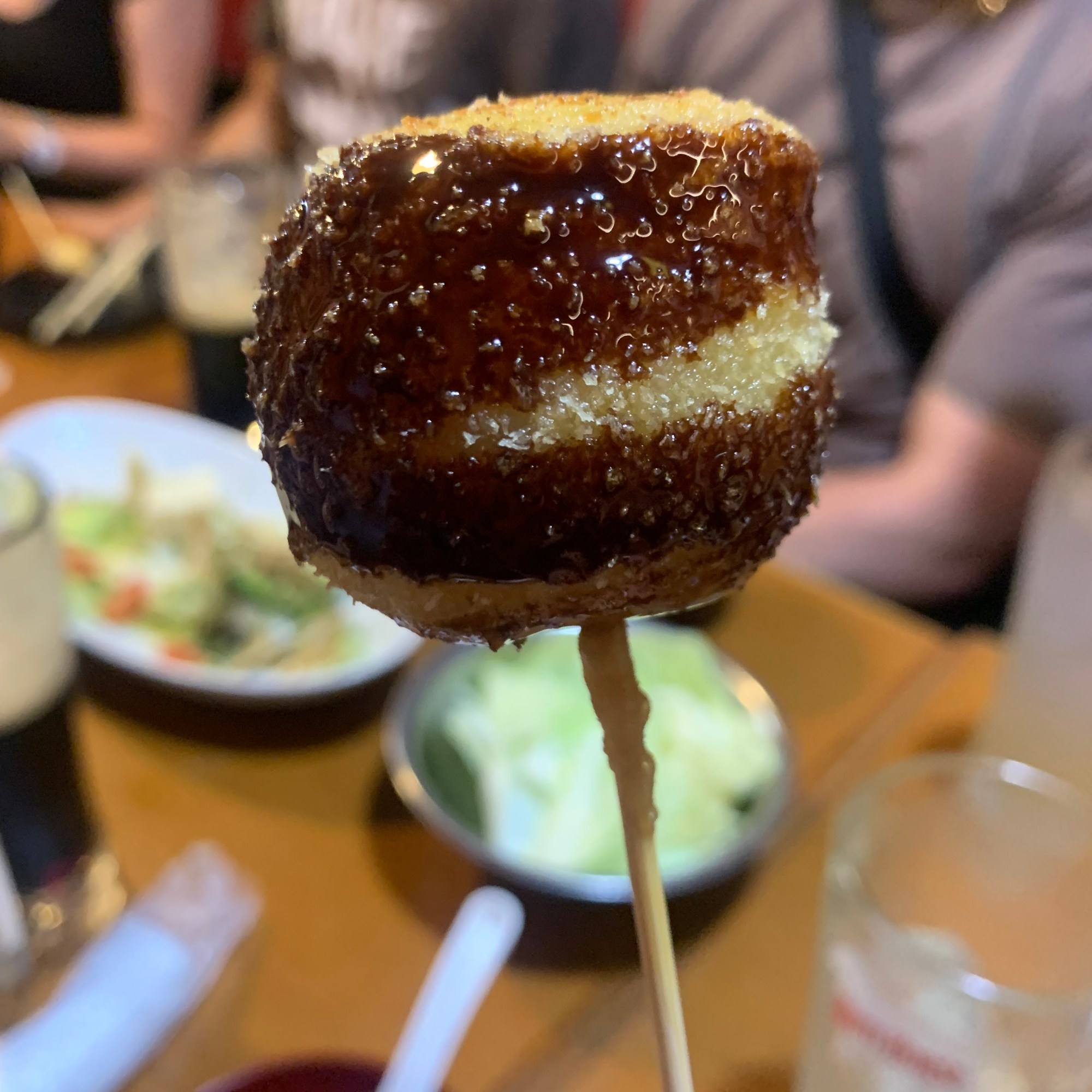
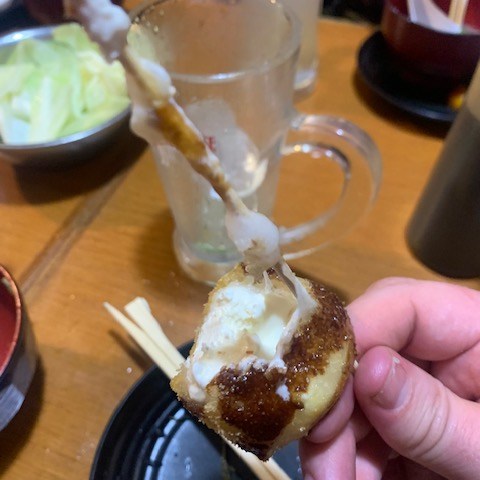
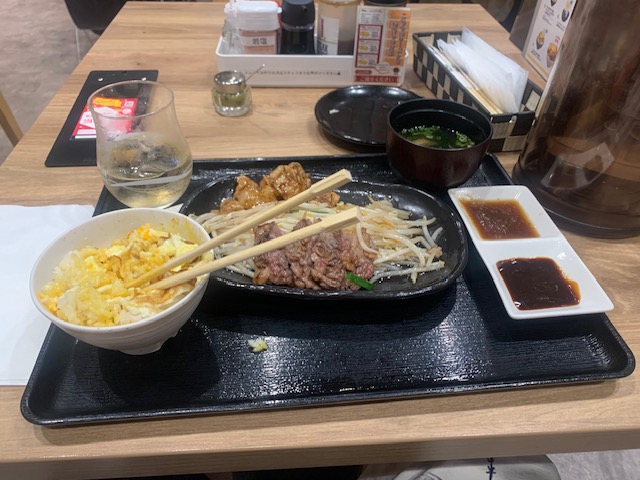
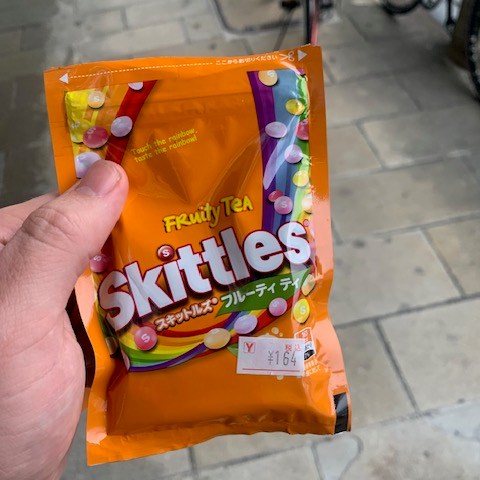
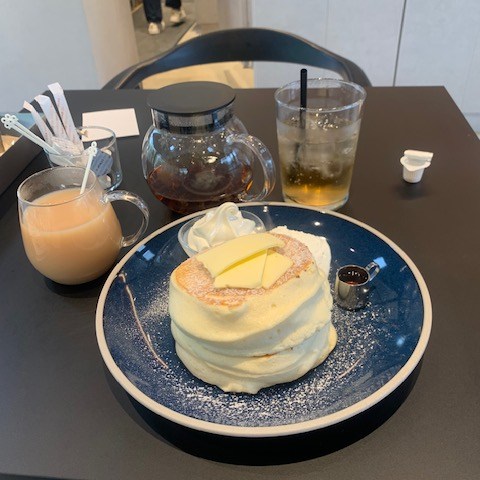
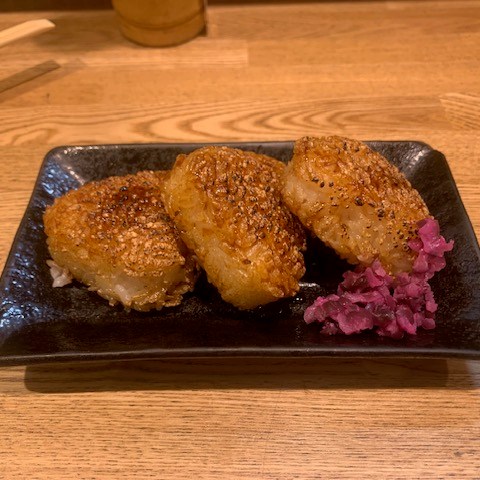
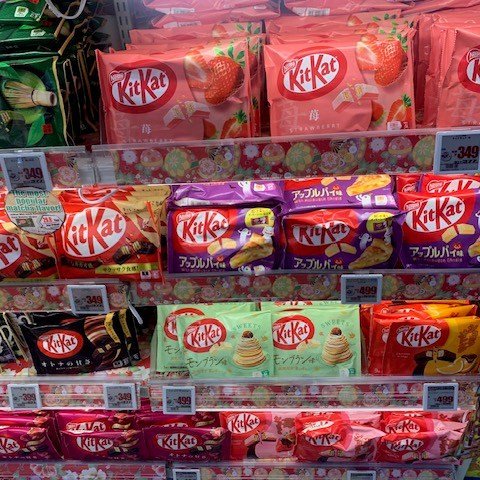
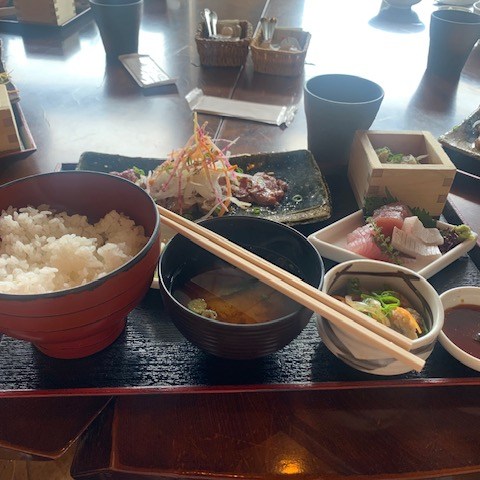
The food, restuarants and stores are also unlike anything you would see in the US. As I said before, the ice cream machines are designed to ensure your portion is perfectly symetrical and even. You can also buy ice cream in a squeezable pouch from Japan’s 7/11s, which are practically on every street corner. The pouches look like something an astronaut might have in space. You uncap it, squeeze and suck the ice cream into your mouth. It might seem weird, but there’s no mess afterwards, which is another bonus. The 7/11s there also have delicious rice balls, the crunchiest and most moist fried chicken you will ever try and whole meals, such as spaghetti and meat sauce, that cost $3 or $4.
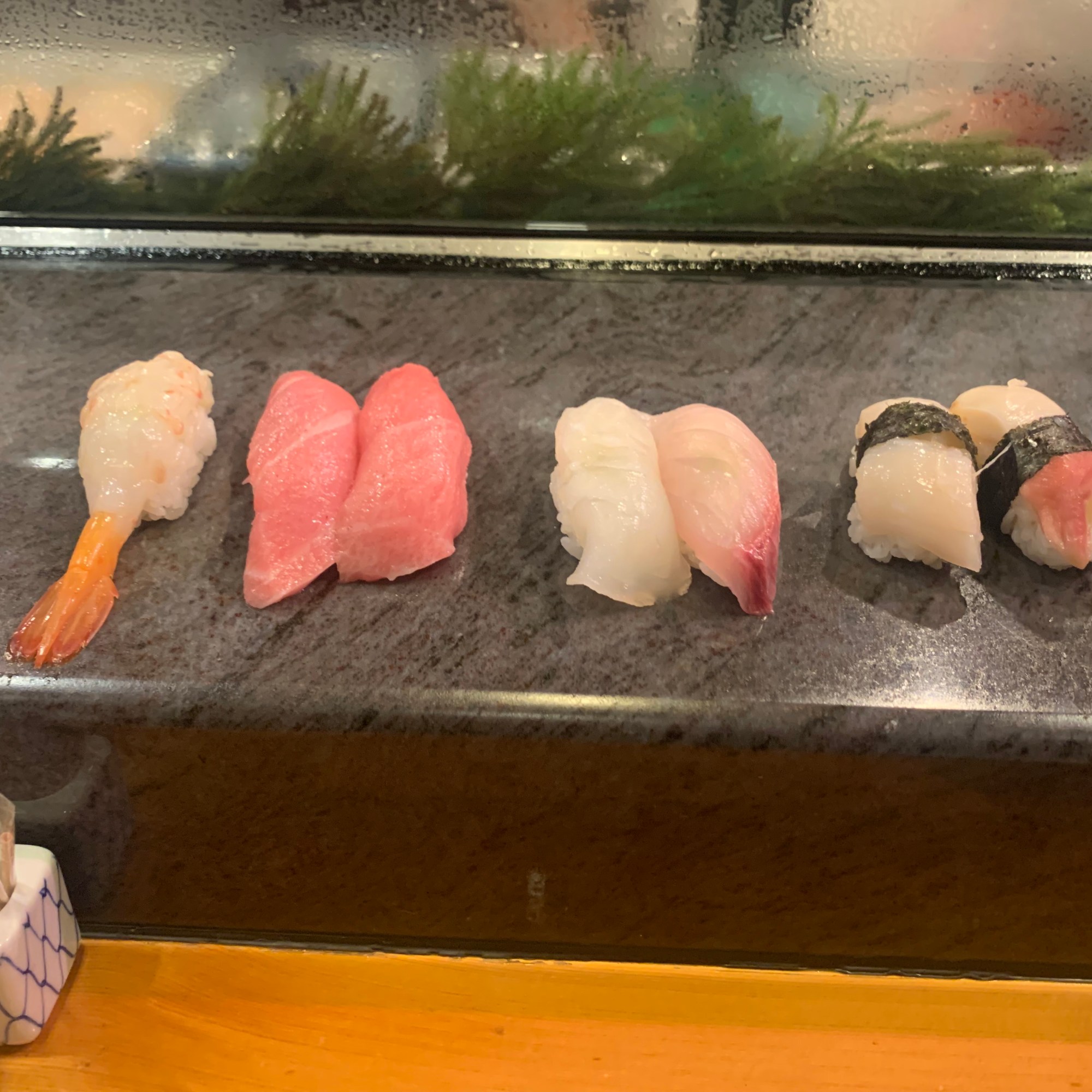
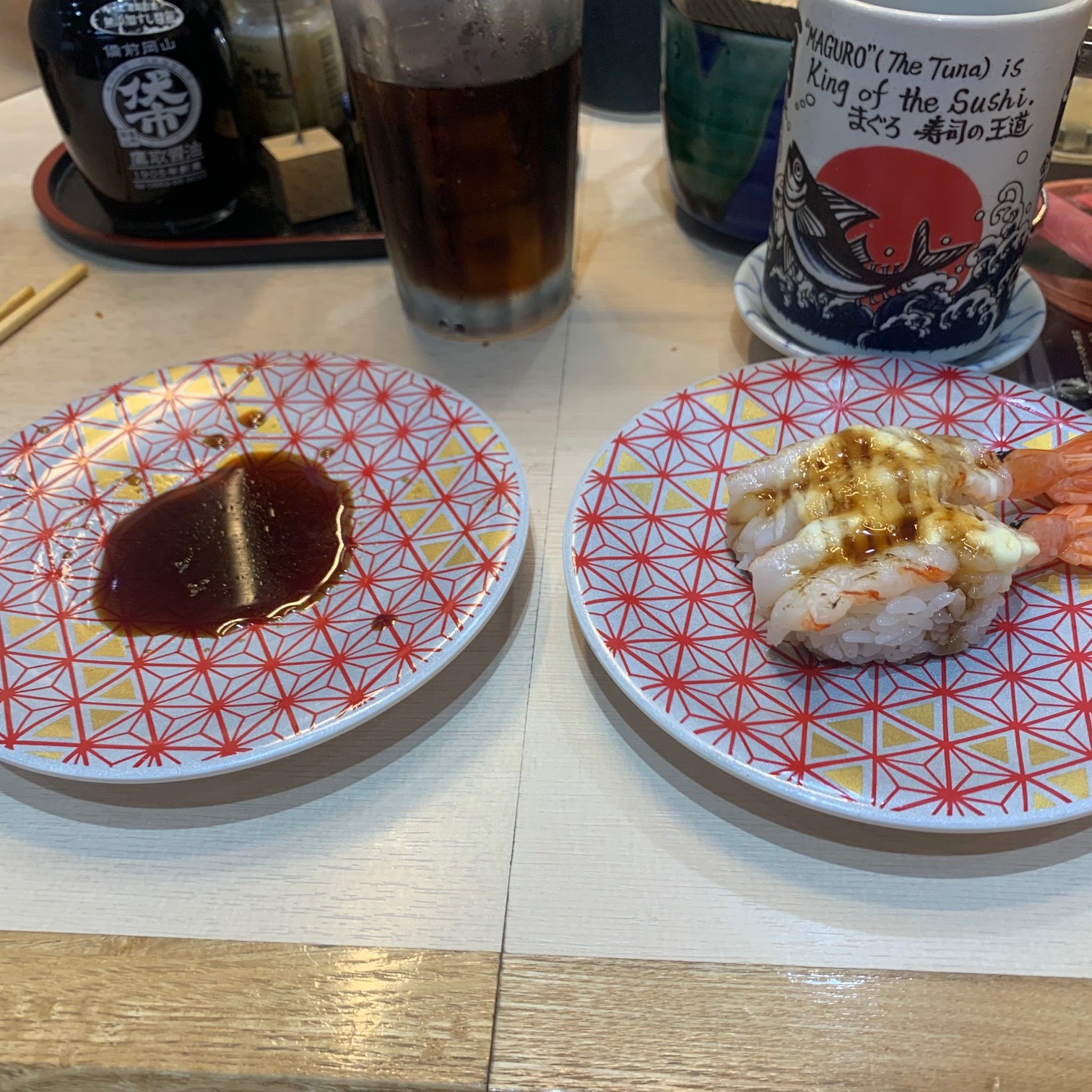
The sushi, of course, is the big fish (yes, pun intended) to try. The best is omakase style, which means chef’s choice. If you’re an adventurous eater like me, then you’ll like this option, where the chef picks what to prepare for you. Whether it looks good or not, and even if you don’t like it, you must eat it completely out of respect for the chef. This type of sushi is top tier and widely recommended if you truly want to better understand the Japanese palette. I also recommend trying conveyor belt sushi where you can pick different dishes to try as they roll by you.

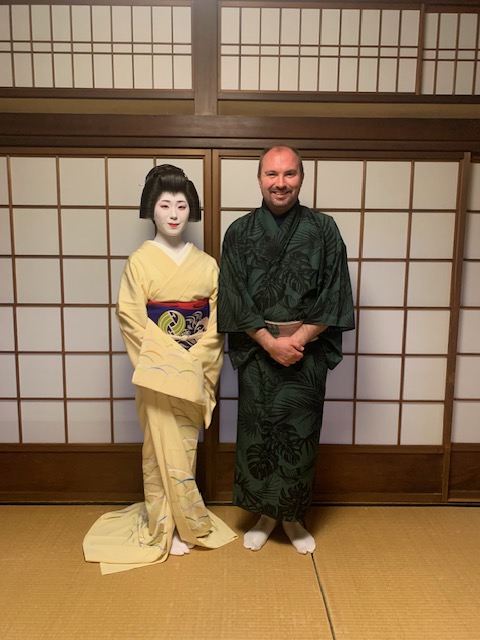
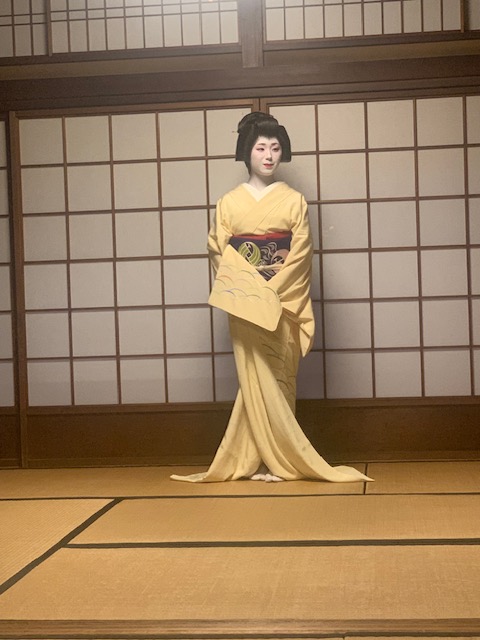
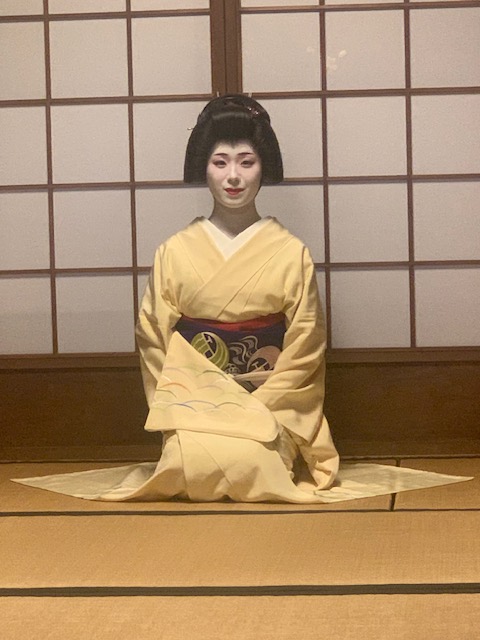
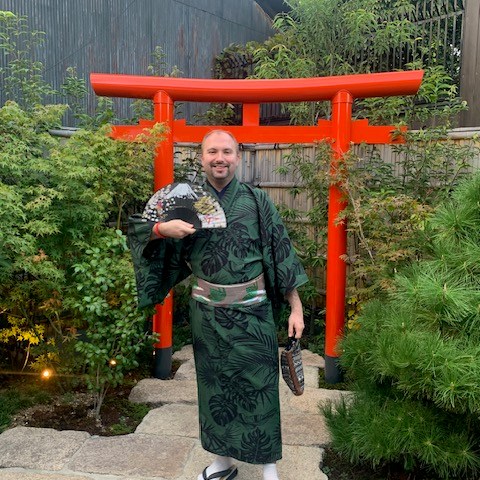
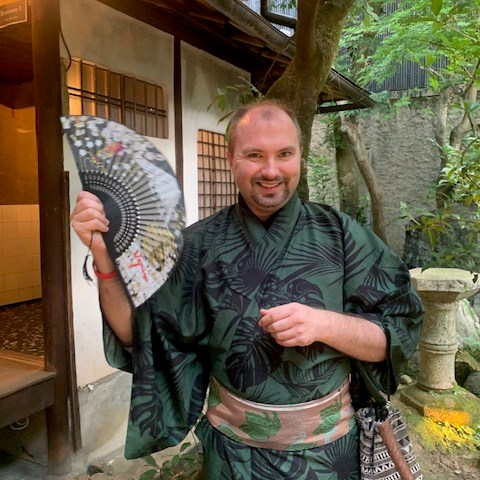
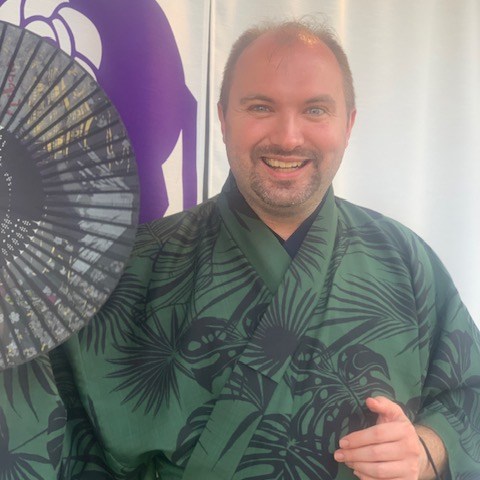
Another exciting moment was dressing in a kimono and sitting down to tea in Kyoto with a geisha, a traditional female hostess and entertainer who performes dances, music and songs at parties. While I’m not a big fan of matcha, it was still cool to learn from her how to make matcha tea and sip it while conversing with the geisha and watching her perform a dance in my honor.
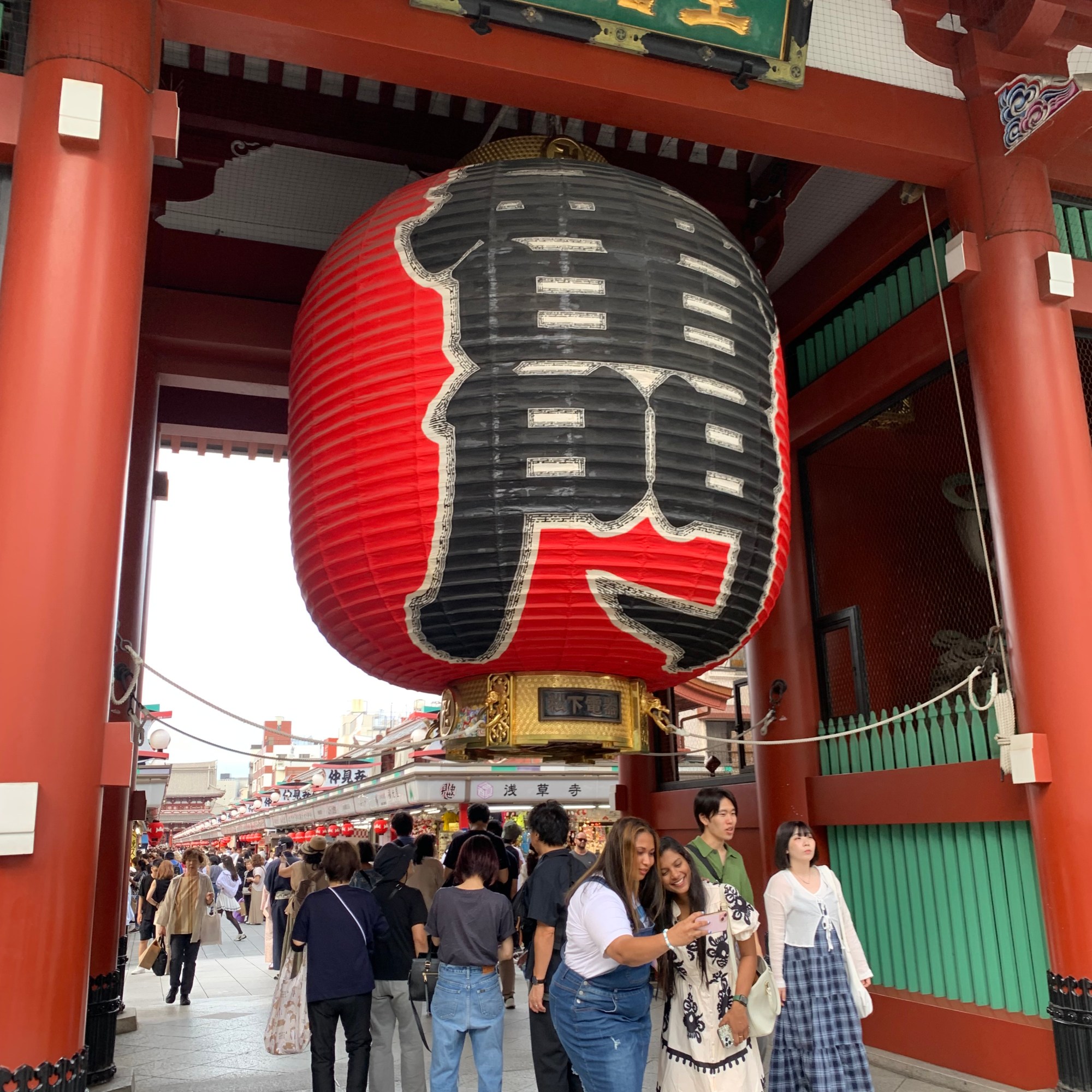
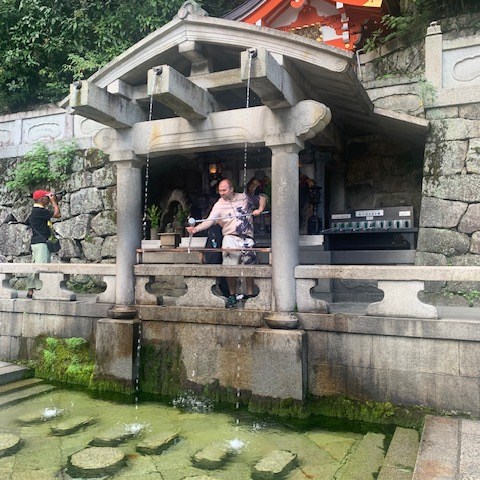
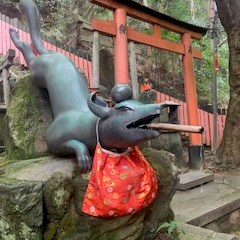
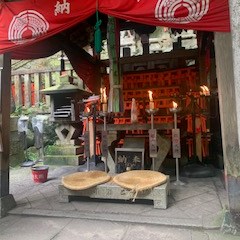
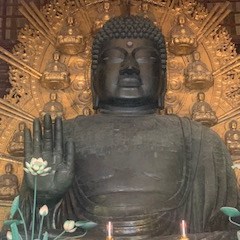
Kyoto is also home to the most shrines and temples in Japan. Shrines are shinto-based and commemorate life events such as births and weddings, while temples are buddhist and associated with life after death events, such as funerals. In Japan, people often practice both shintoism and buddhism.
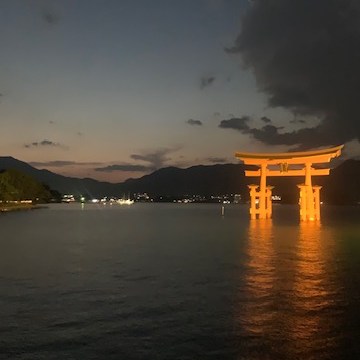
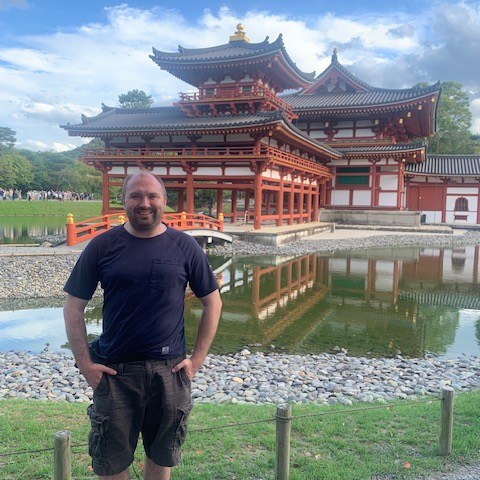
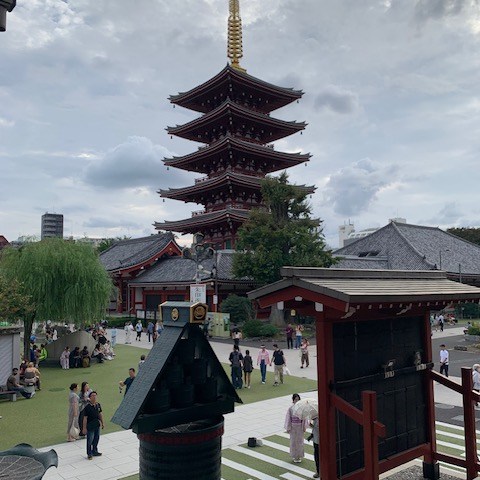
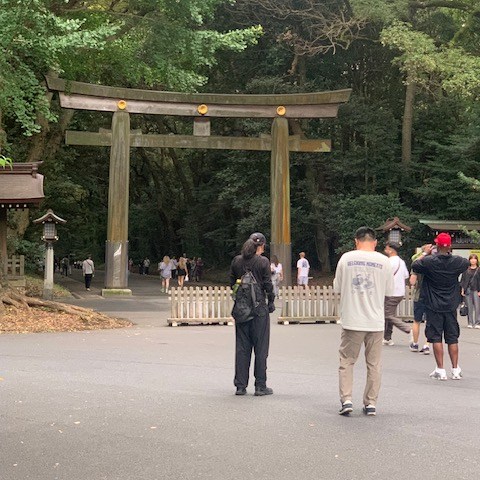
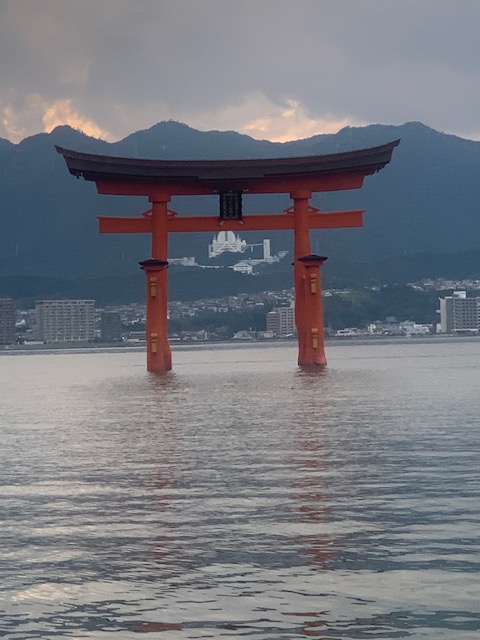
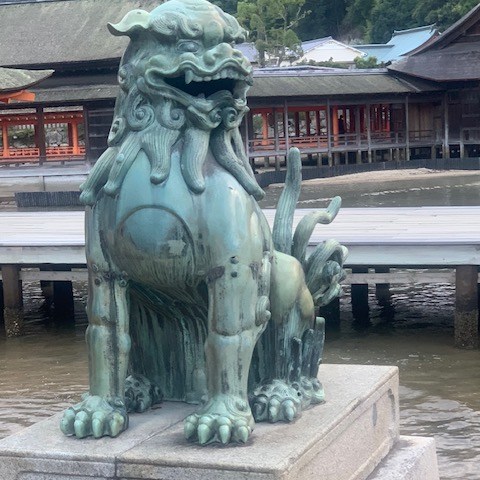
Notable sites I would recommend are Sensō-ji Temple and Meiji Jingu Shrine (Tokyo); Higashi Hongan-ji, Tenryu-Ji, Kiyomizu-dera and Kinkaku-ji temples, and Fushimi Inari Taisha Shrine (Kyoto); Tōdai-ji Temple in Nara; Byōdō-in Temple in Uji; and Itsukushima Shrine in Hiroshima.
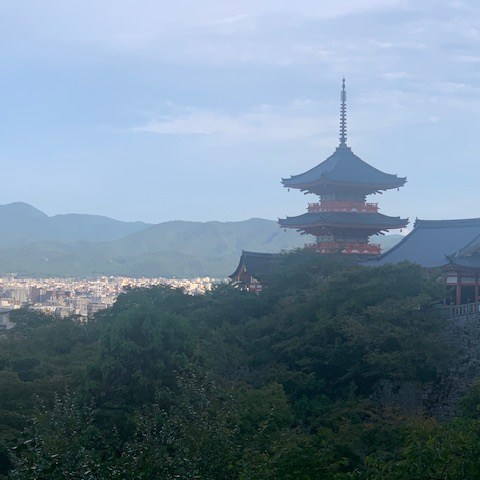

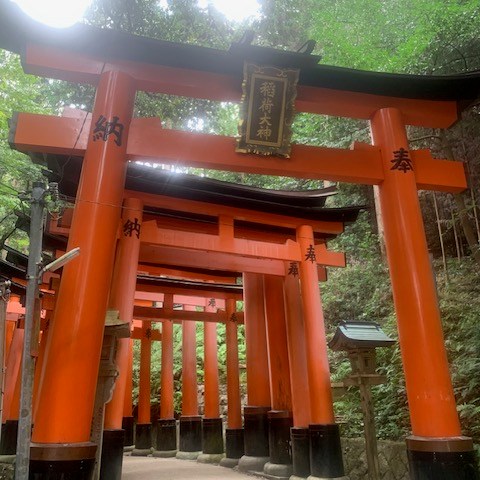
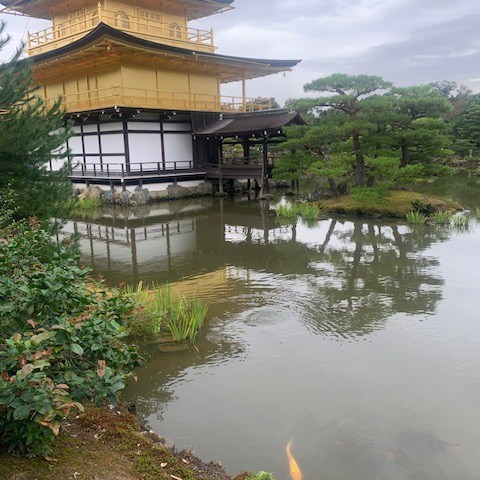
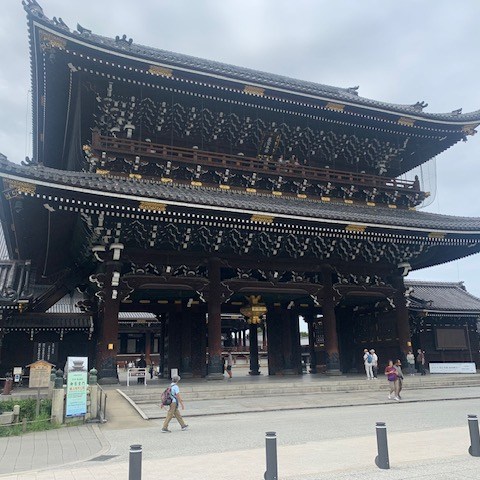
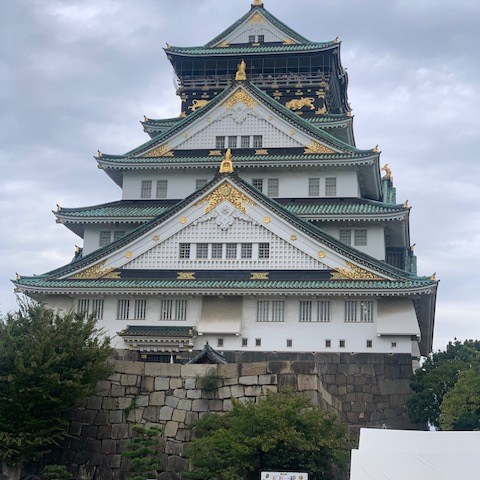
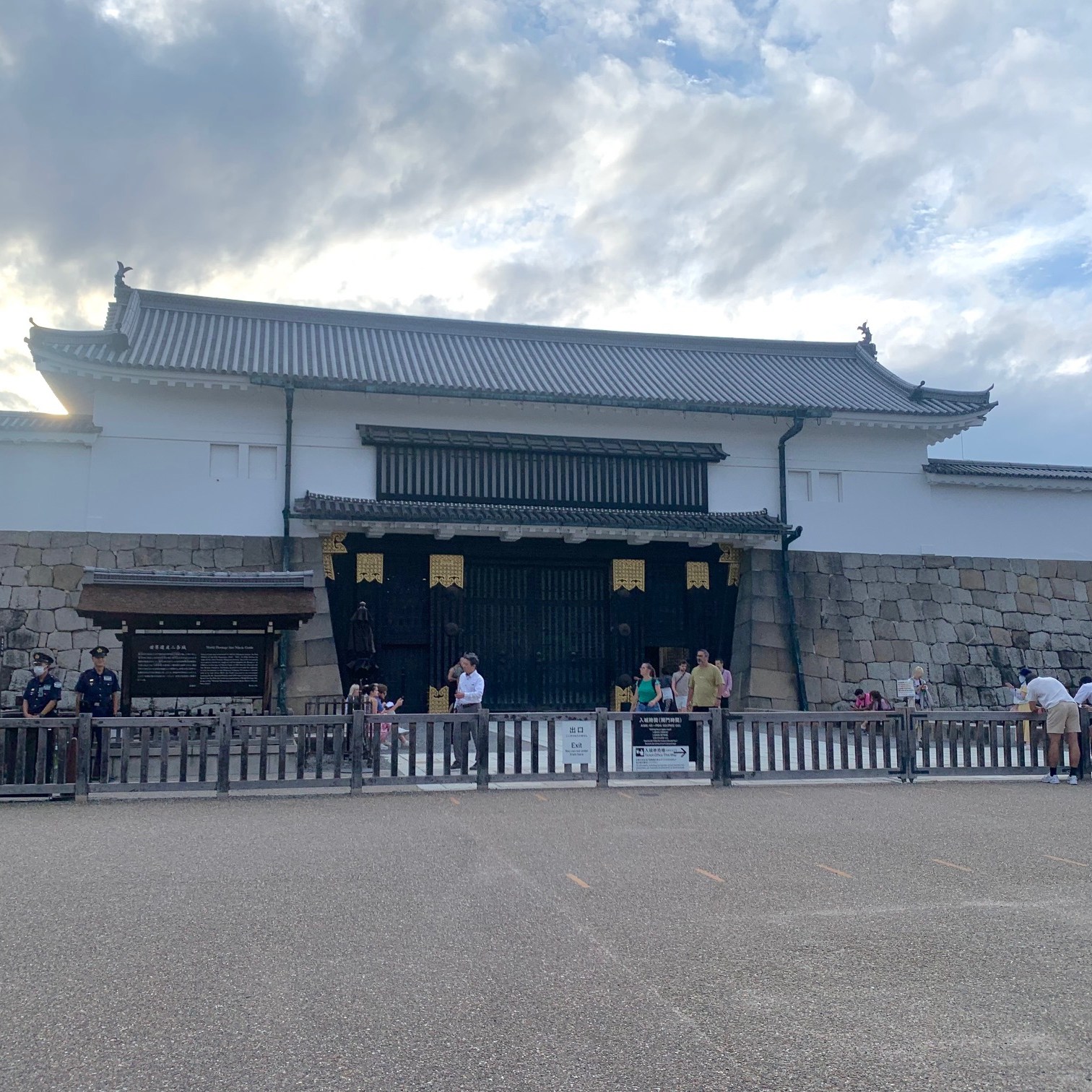
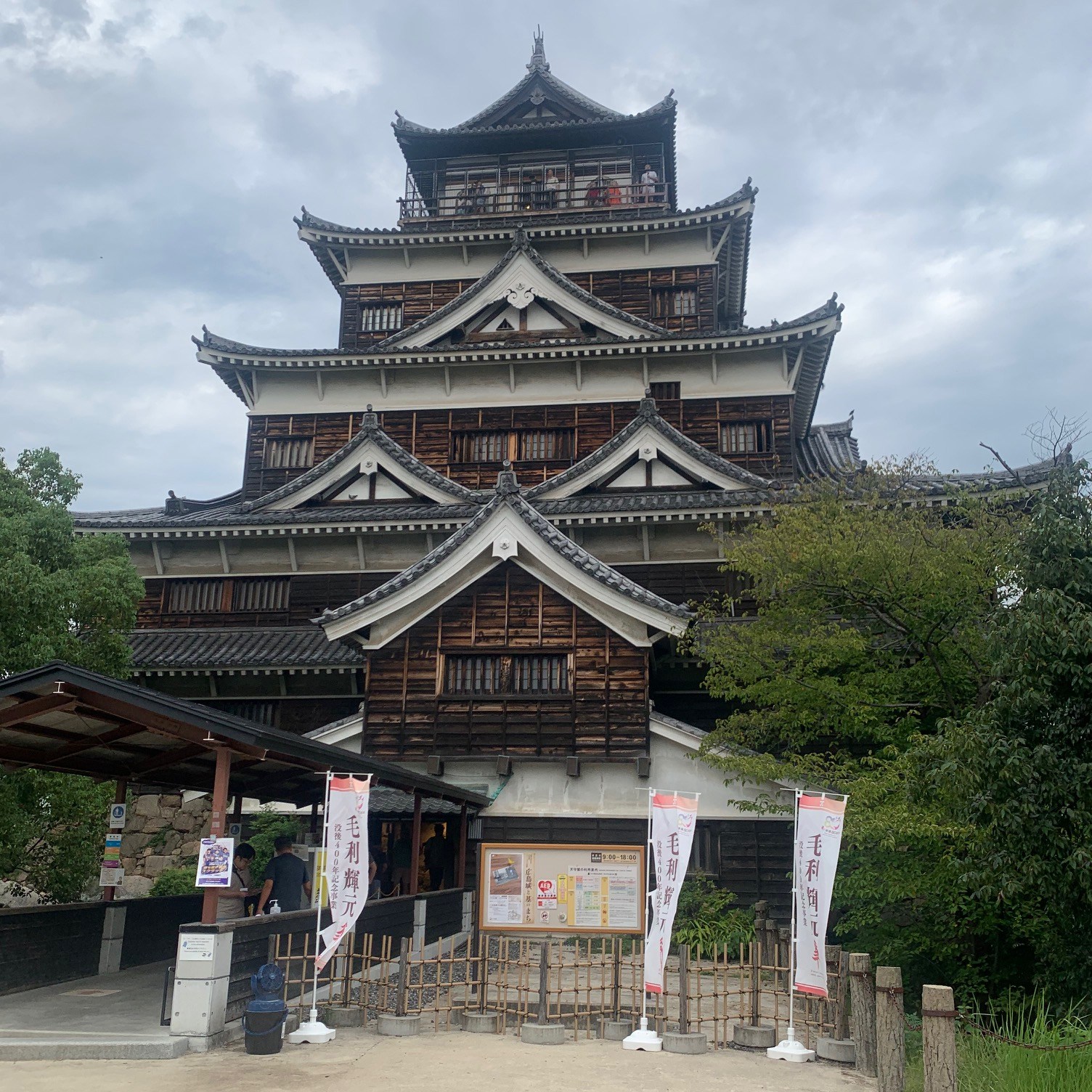
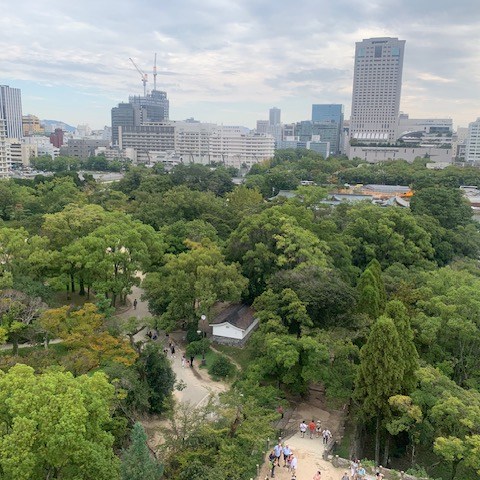
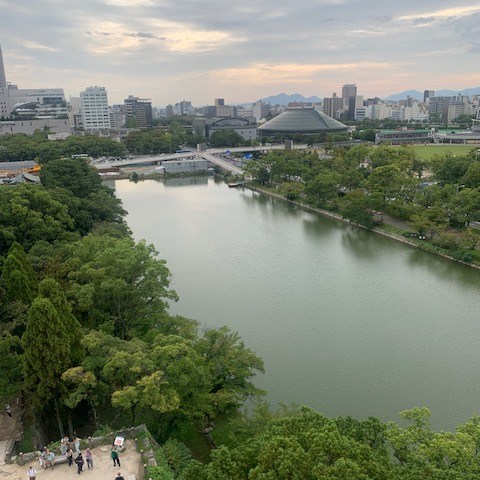
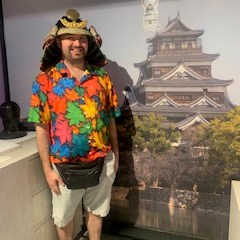
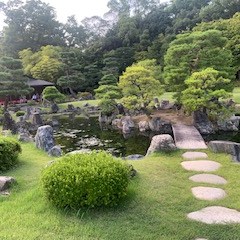
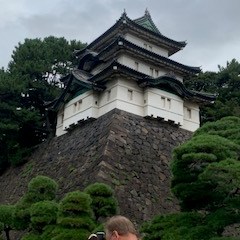
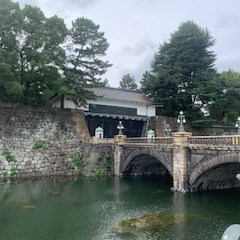
The castles were also a sight to behold, with intricate details woven in for both decorative and protective purposes. My favorites were Nijo Castle in Kyoto,, Osaka Castle and Hiroshima Castle, all of which had endless exhibits about the samurai warlords that once ruled Nihon. The Imperial Palace, where the emperor currently resides, is interesting to tour, but either book a ticket in advance or get there by 8 am the day of your visit, as tickets sell out fast. The best days to go are January 2 (New Year’s) and February 23 (the emperor’s birthday), as the public can enter through the inner gate, access normally restricted parts and see and listen to the royal family speak from the balcony.
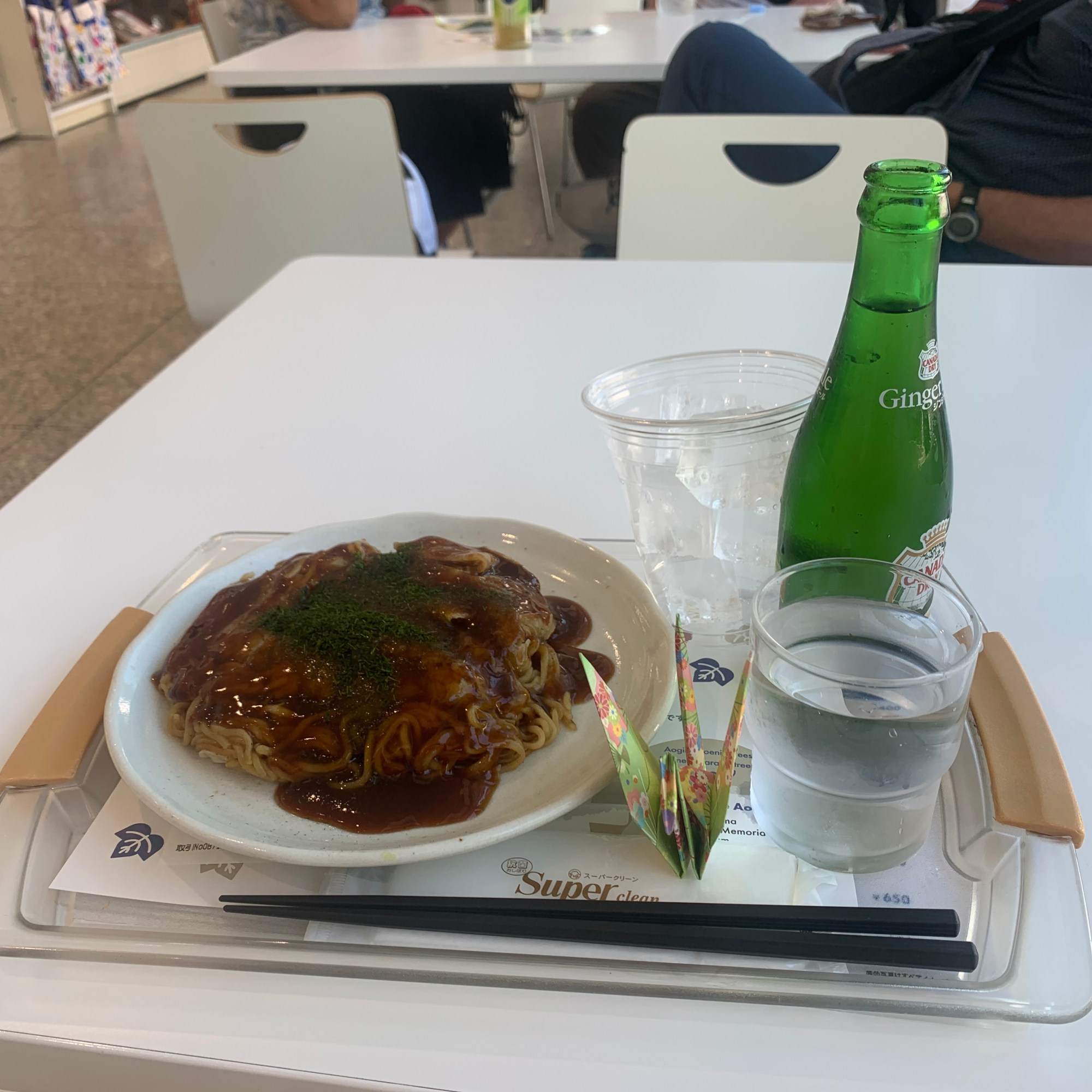
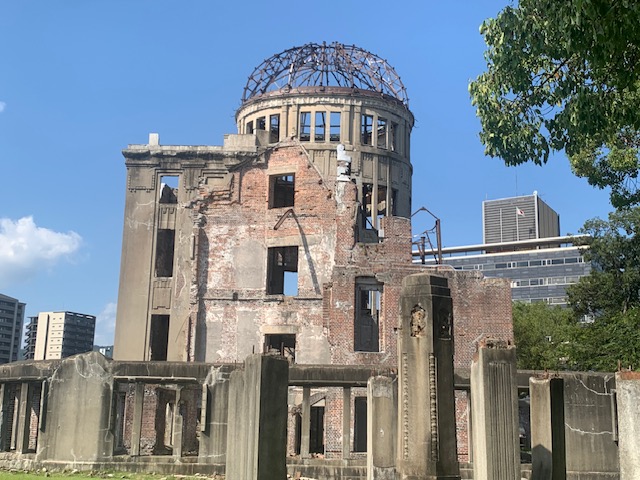
A solemn part of the trip for me were visits I paid to both the Peace Memorial Museum in Hiroshima and the Atomic Bomb Museum in Nagasaki. The pictures, footage and exhibits can be a lot, so prepare yourself. But in both museums, I came away with more of a sense of ‘look how far we’ve risen from those awful ordeals’ than overall dread and despair.
I know many people always are more interested in Hiroshima but of the two, I thought the museum in Nagasaki was the best. The Hiroshima one discusses the history at the time of the bombing and while interesting, the Nagasaki one discusses the history as well as the science behind the bomb and the radiation. It also features details and timeline behind how the US determined which cities to hit. Another fact: Nagasaki was actually a backup with the intended target being an ancient castle town called Kokura (now modern-day Kitakyushu). On the day of the bombing, the sky was too overcast and filled with smoke from previous bombs for the pilot to get a clear shot, so he changed course and dropped the bomb over Nagasaki.
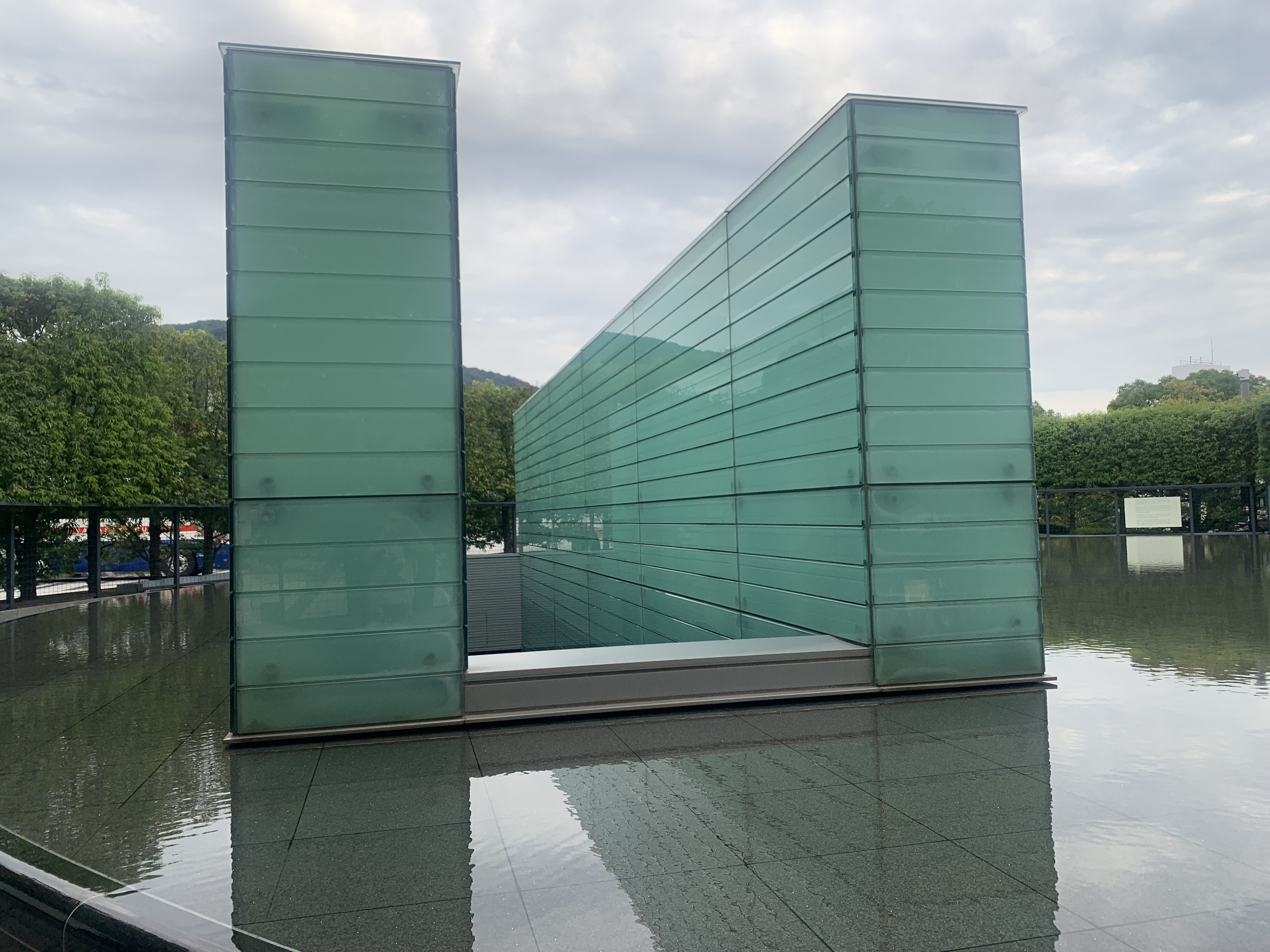
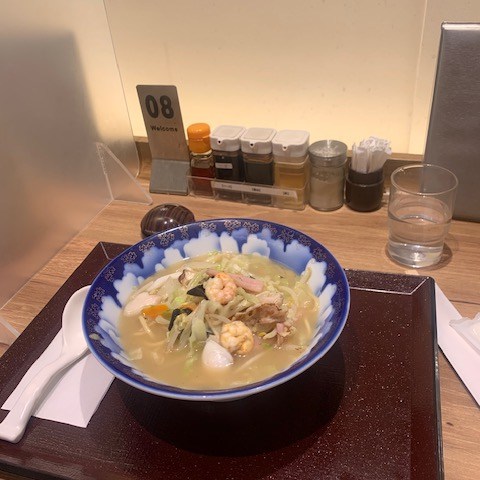
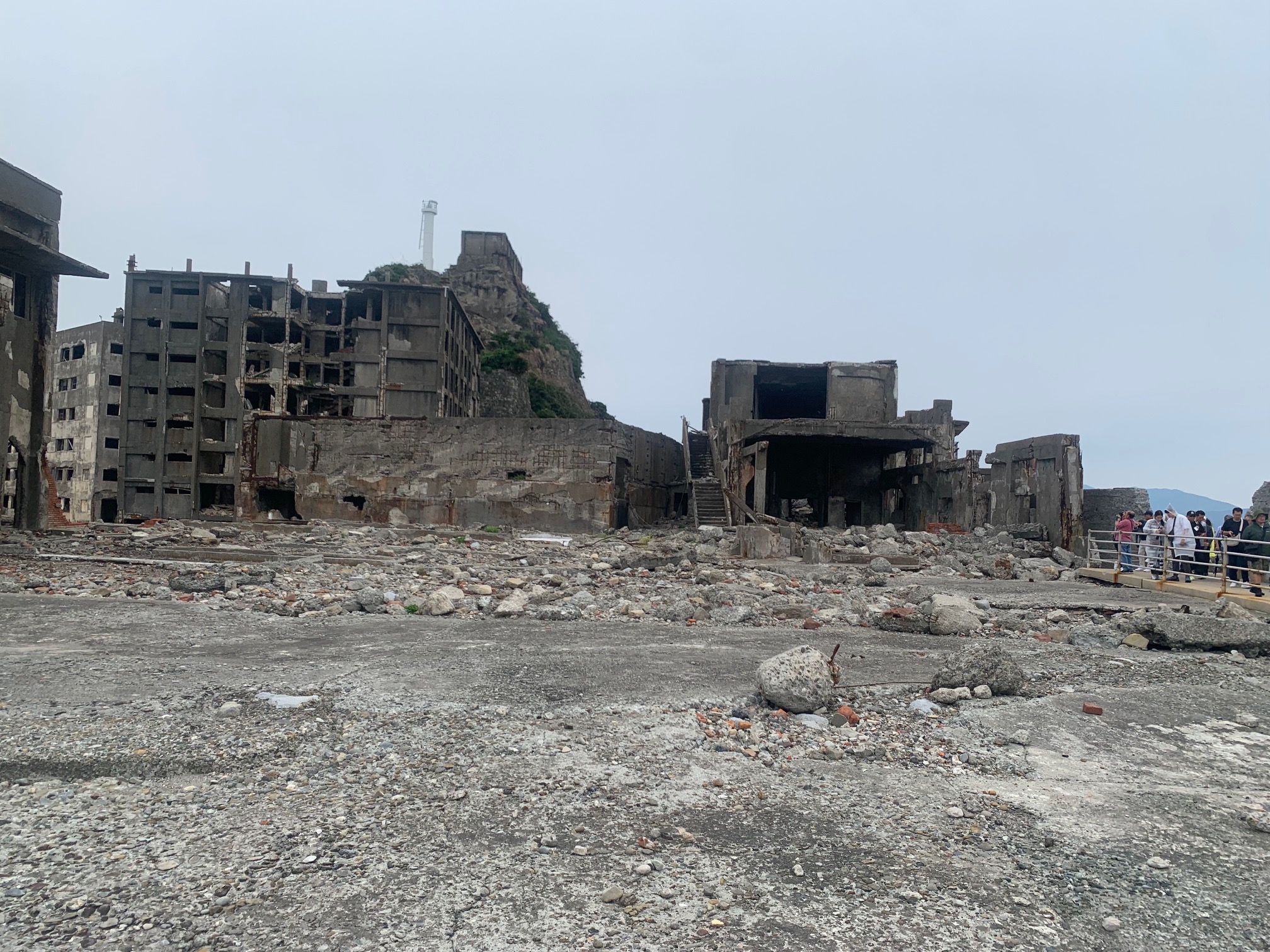
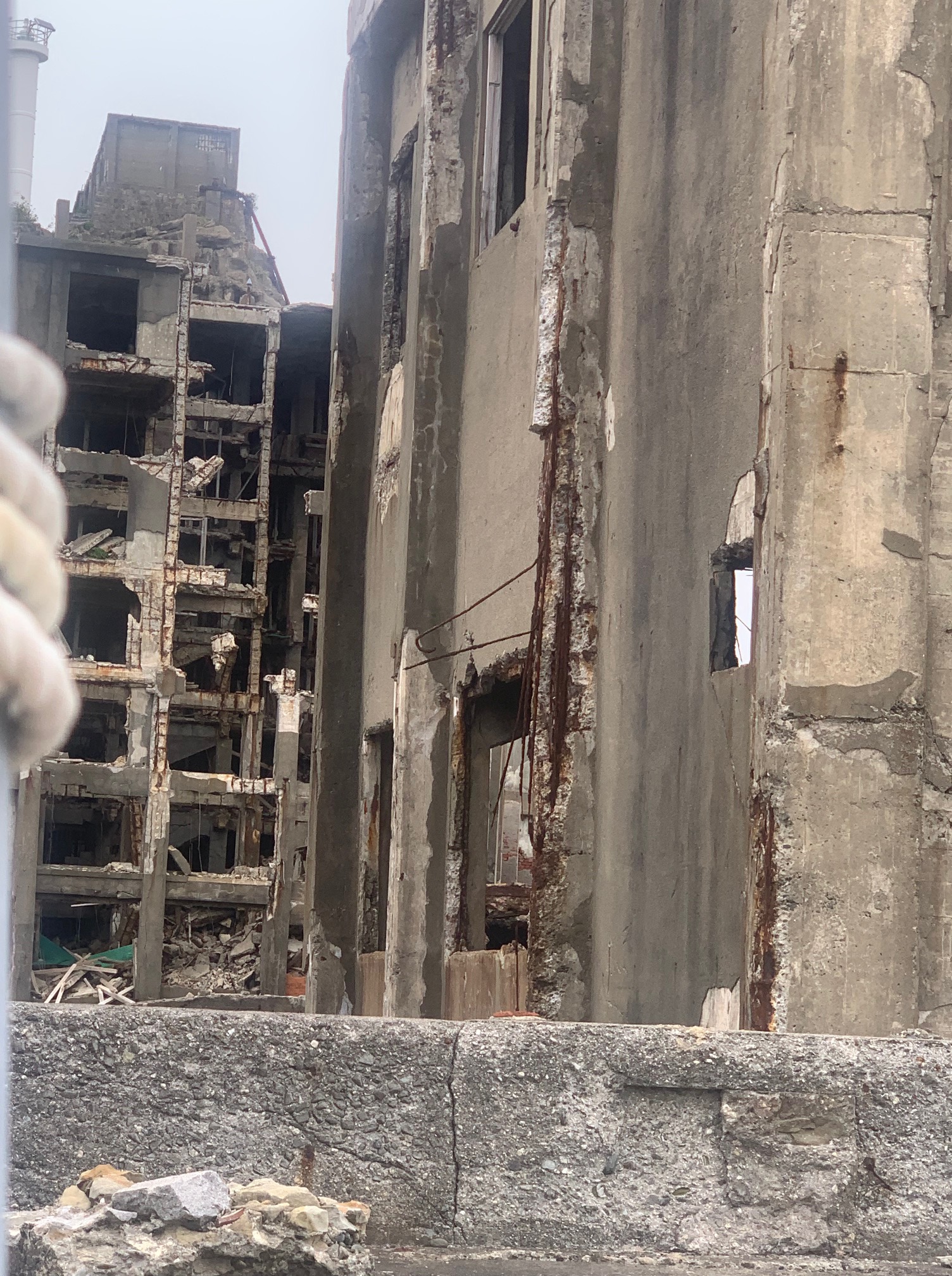
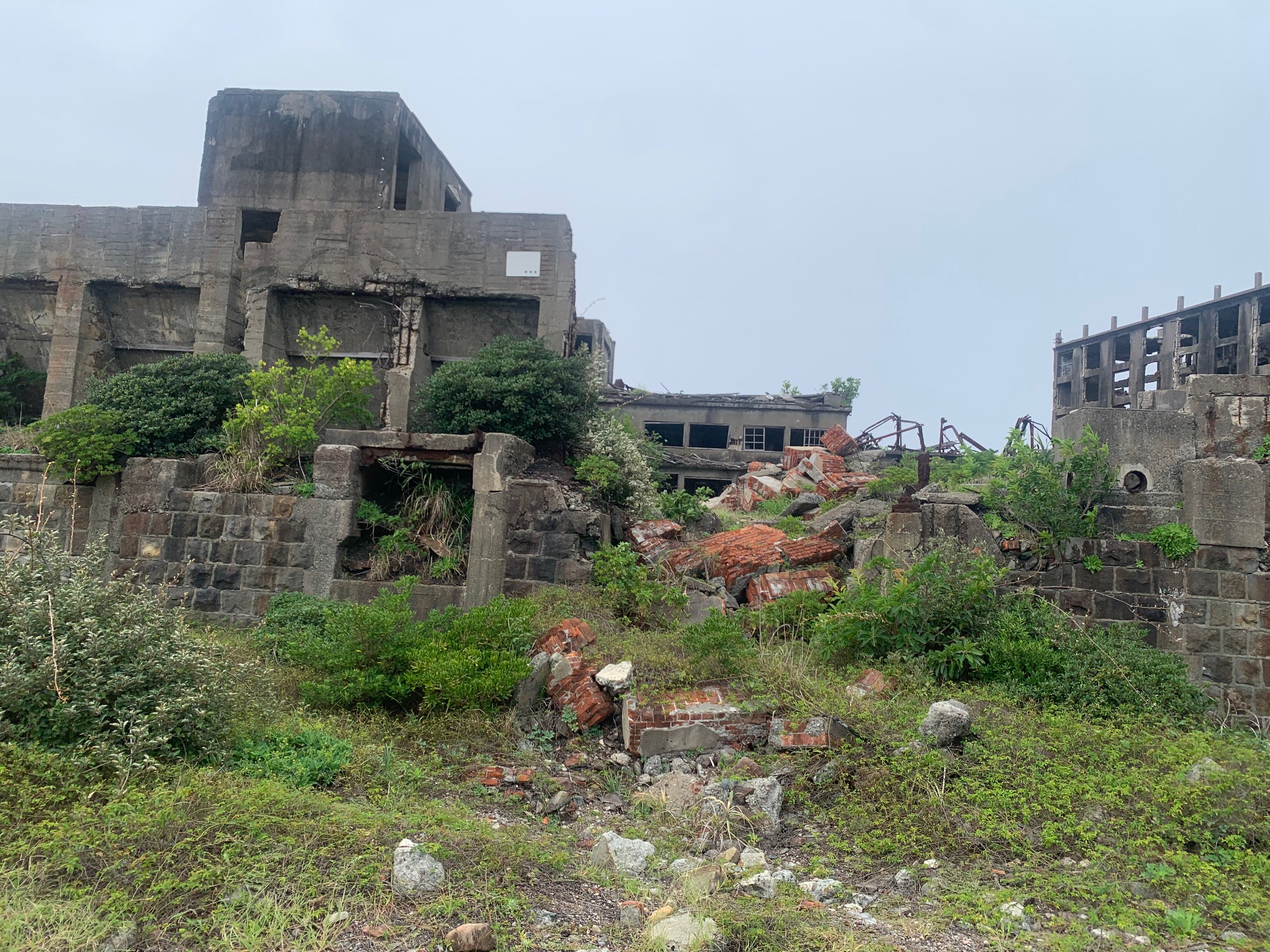
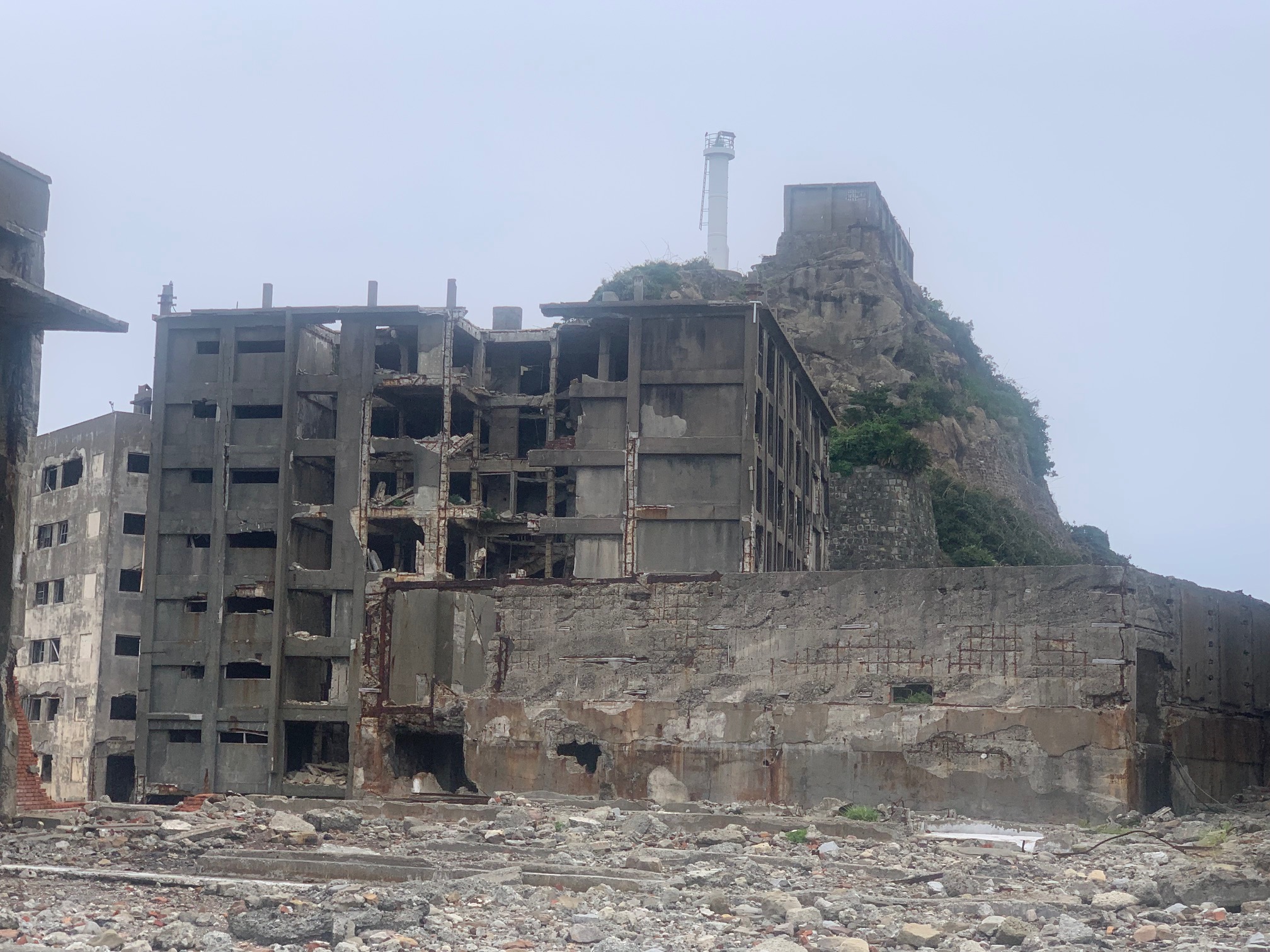
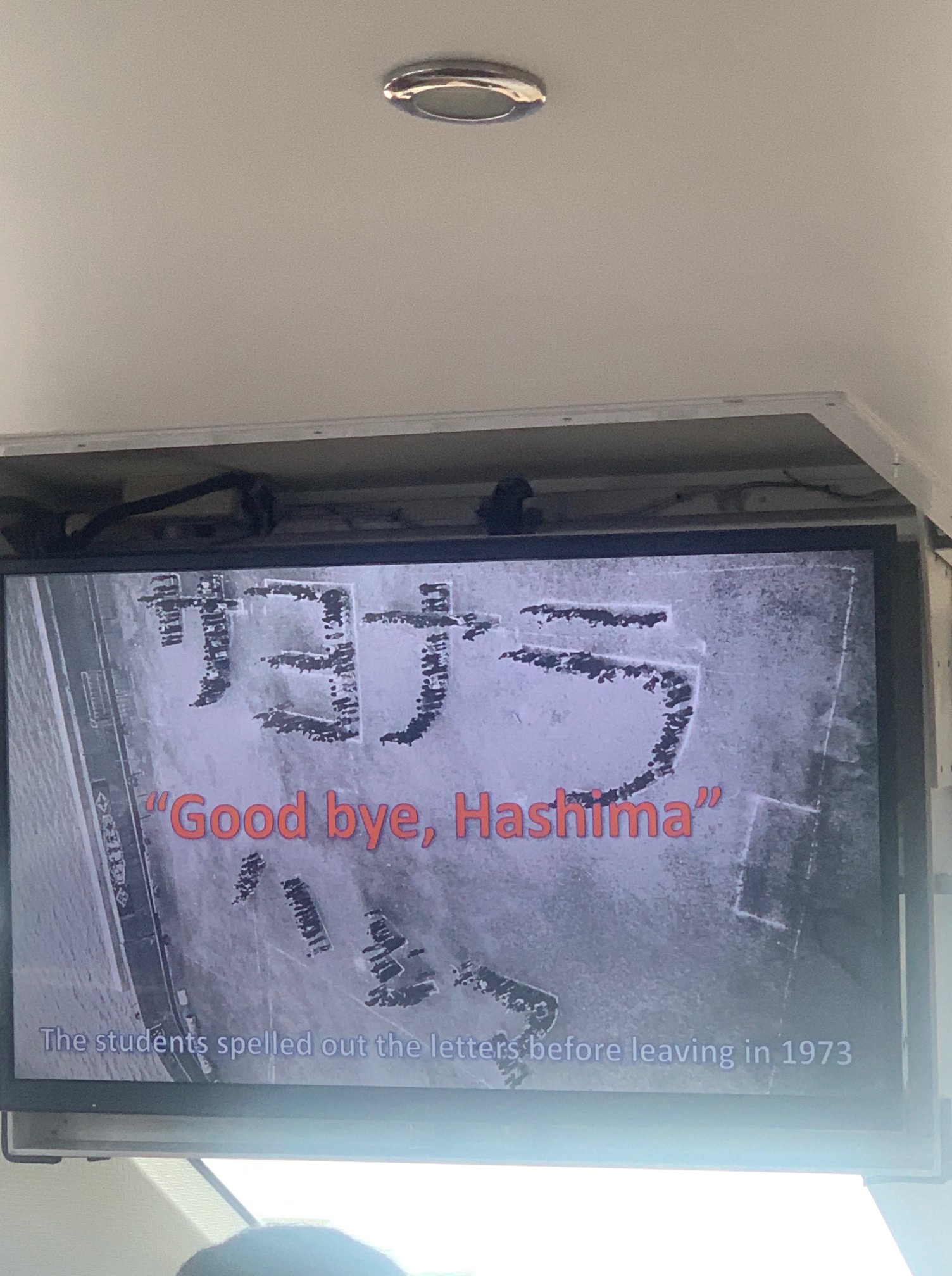
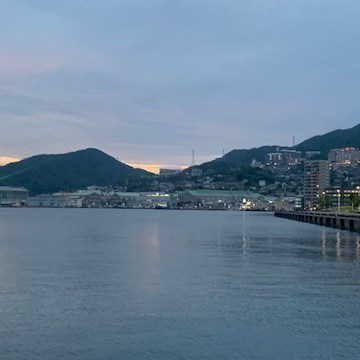
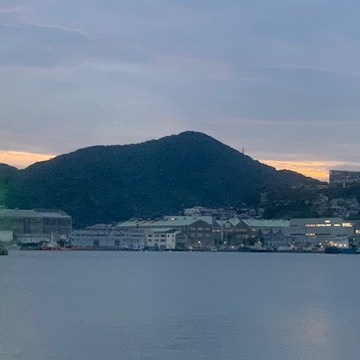
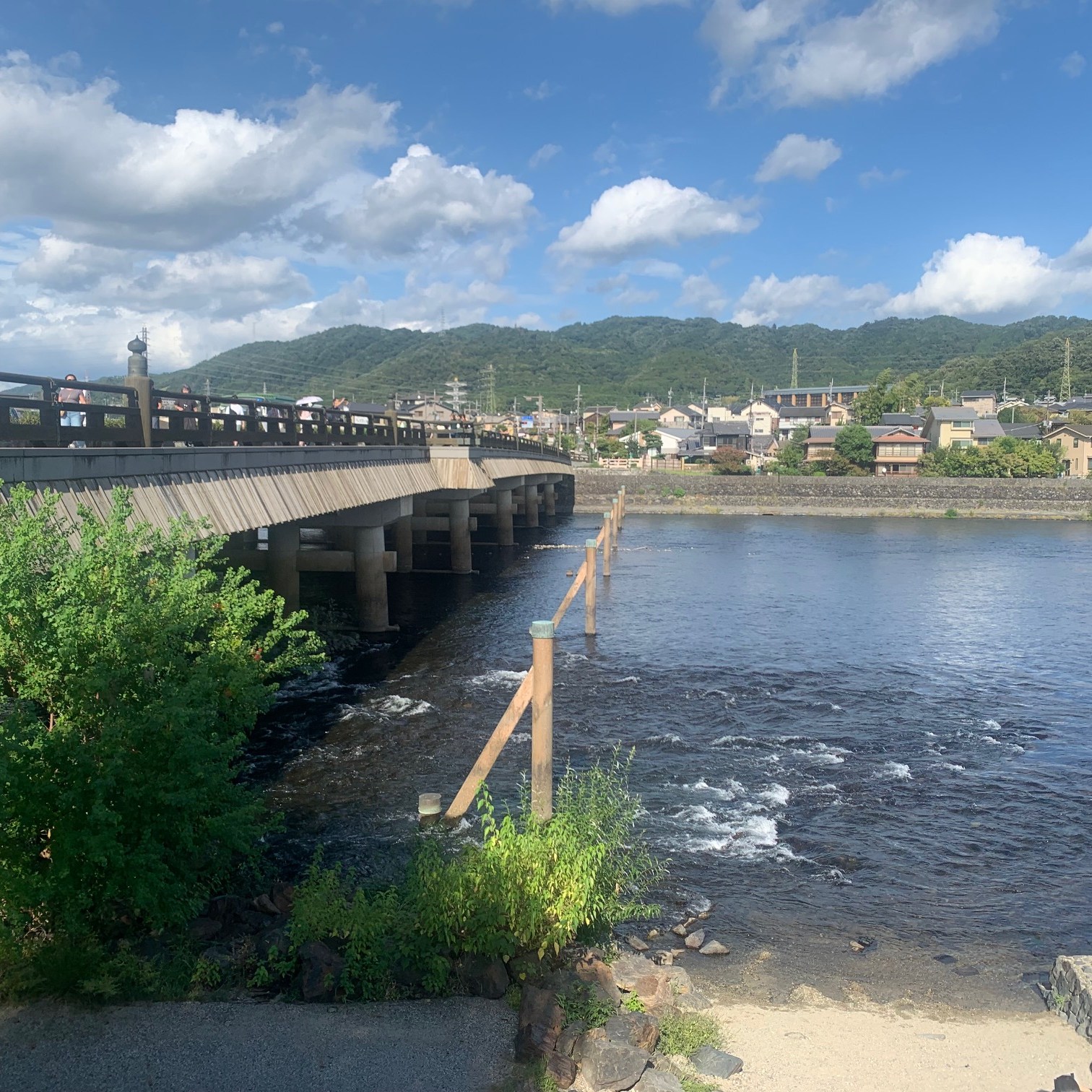
While it’s harder to get to than Hiroshima (took me three trains in two and a half hours), it’s worth the trip to tour that museum as well as Peace Park. You also can check out Hashima Island, an abandoned undersea coal mining site that was once home to an entire community of coal miners and their families. The community disbanded and returned to the mainland in 1974 when the mines closed, and the island is today an uninhabited UNESCO site characterized by ruins of concrete buildings frozen in time and the surrounding sea wall. The city also offers exisite cuisines, like champon, a noodle-based broth mixed with seafood and pork.
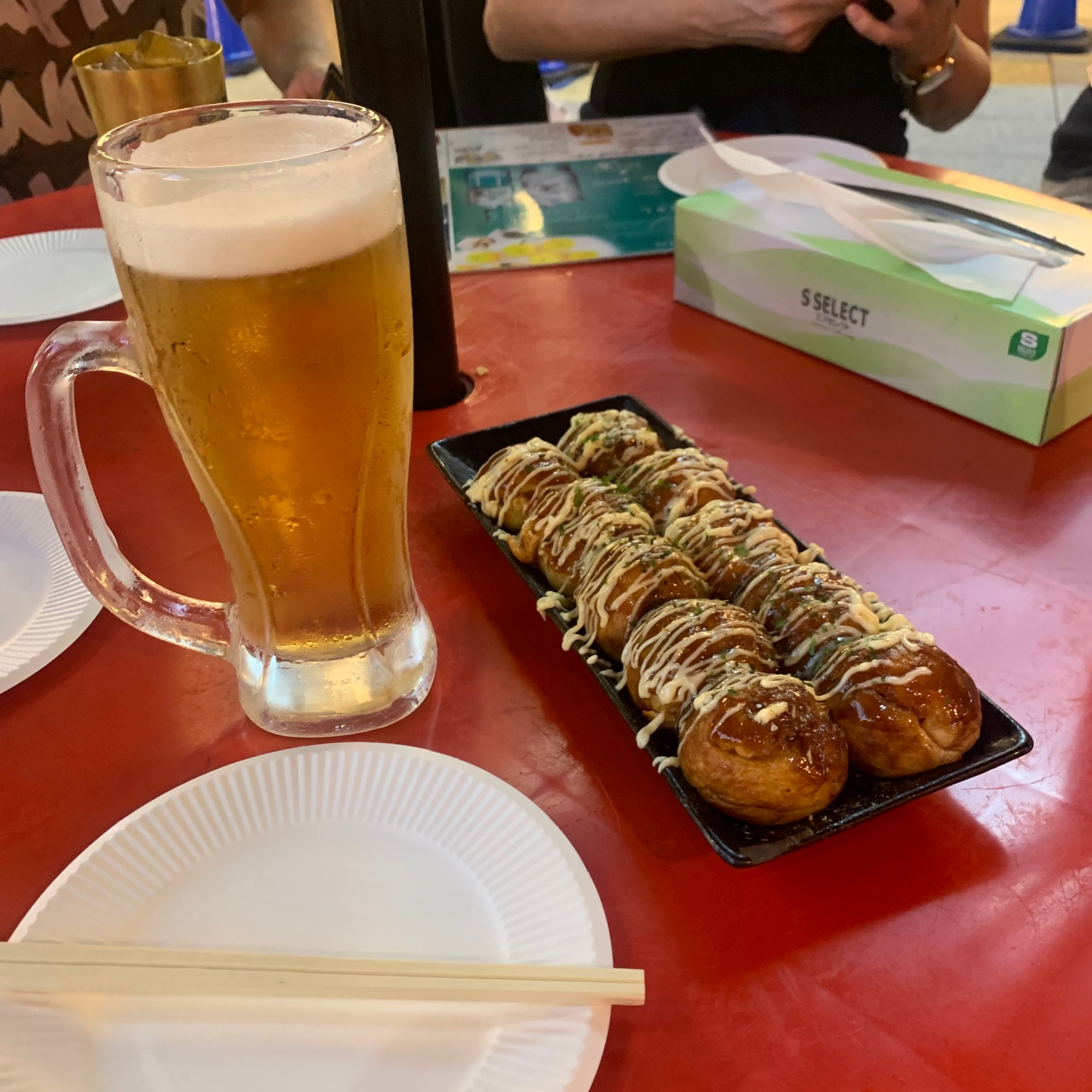
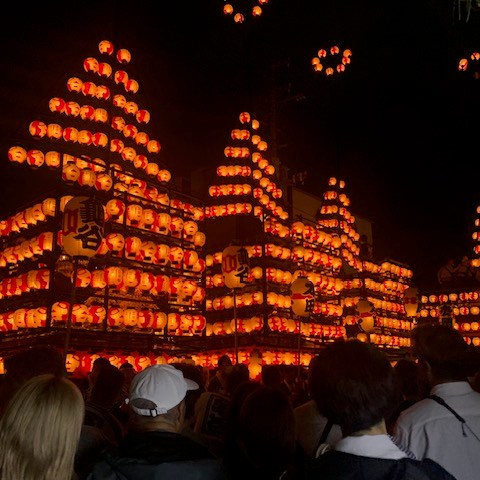
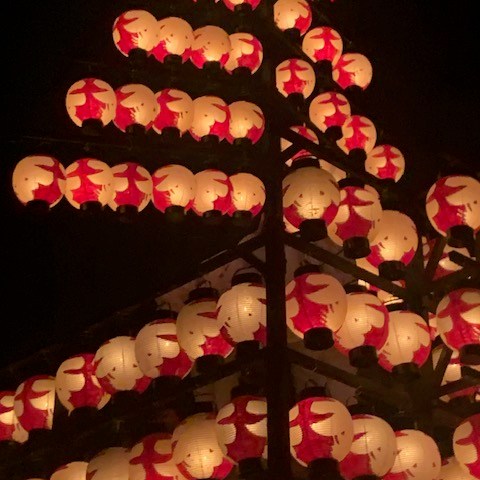
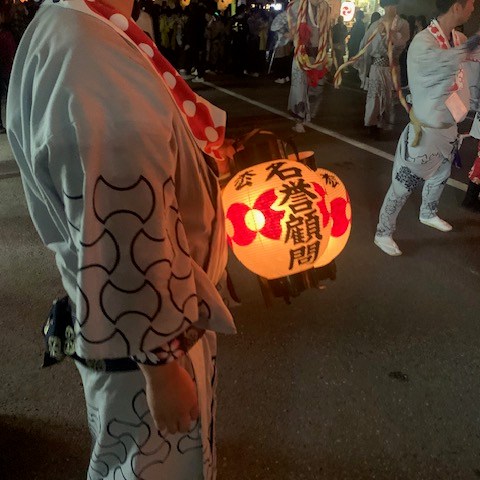
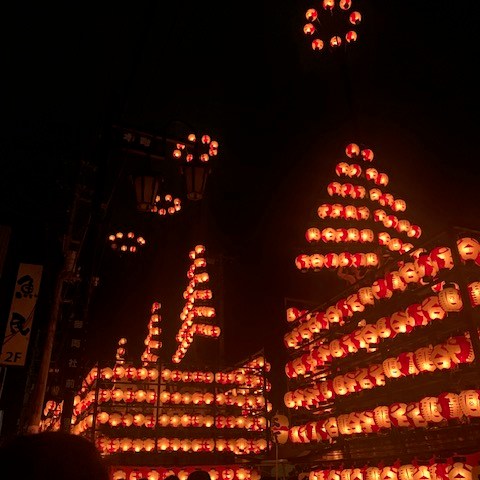
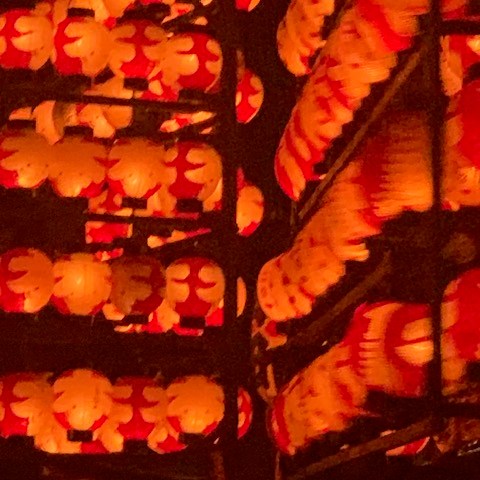
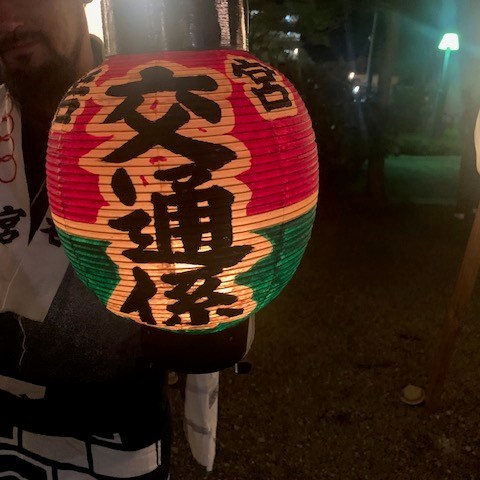
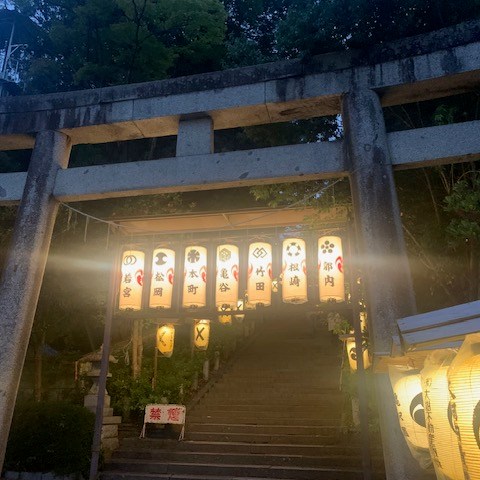
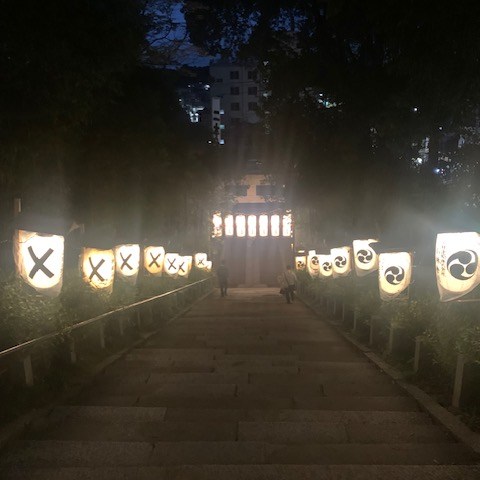
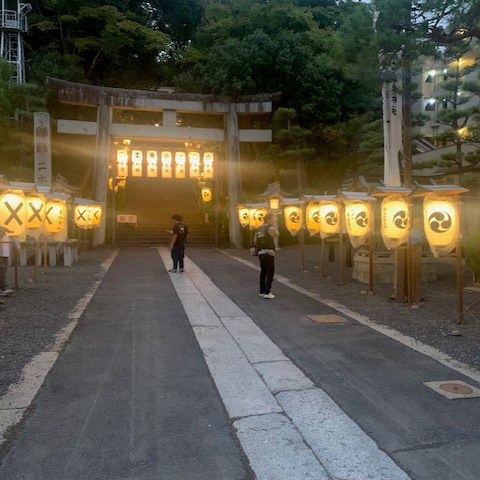
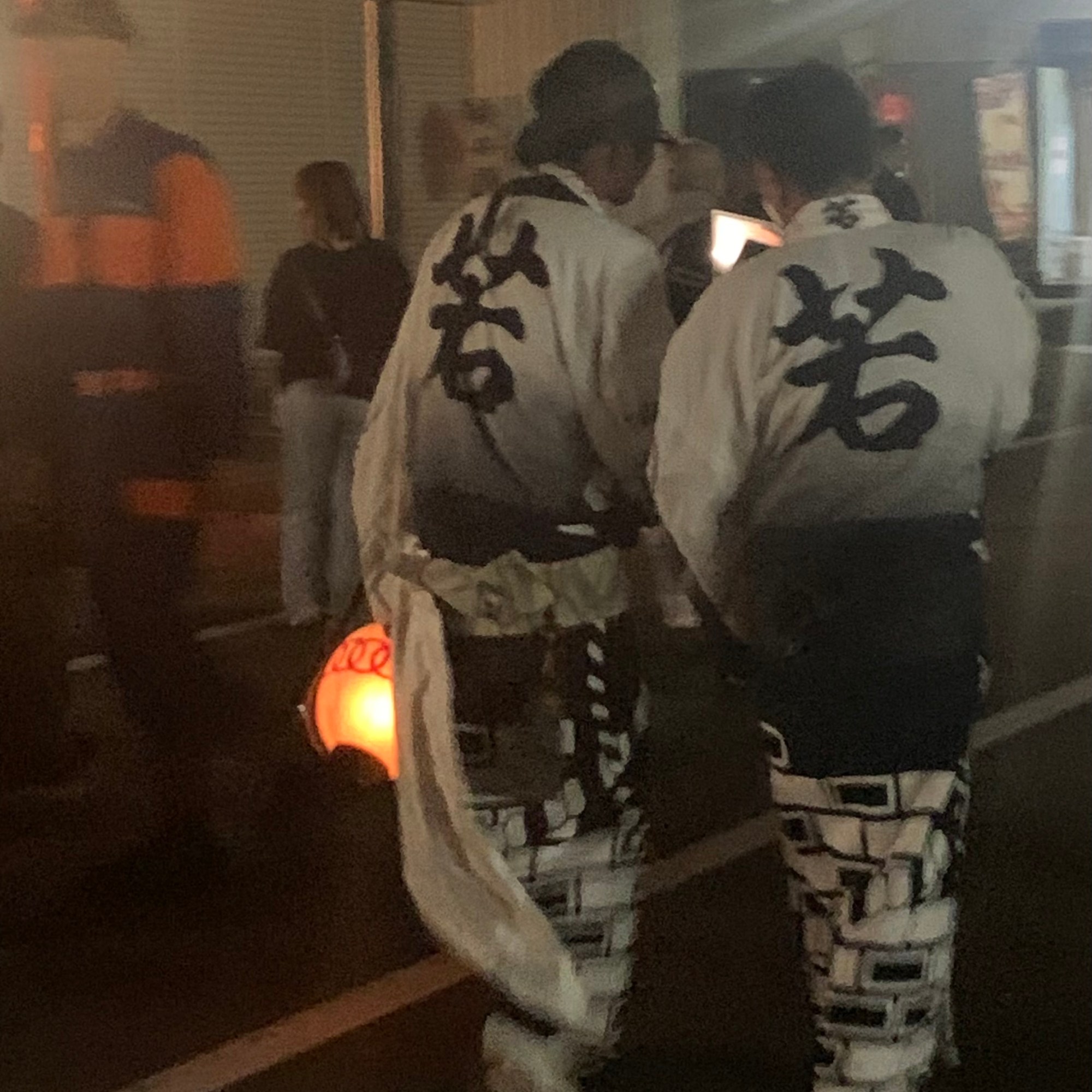
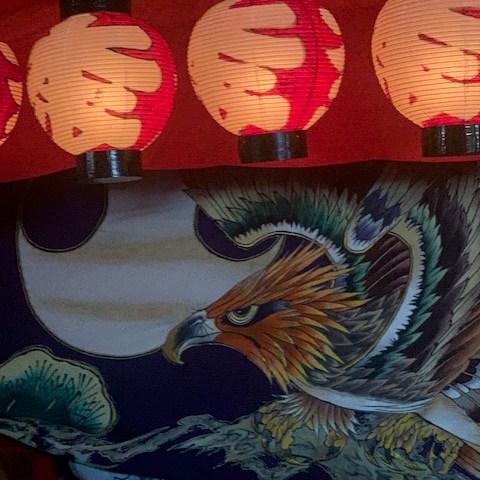
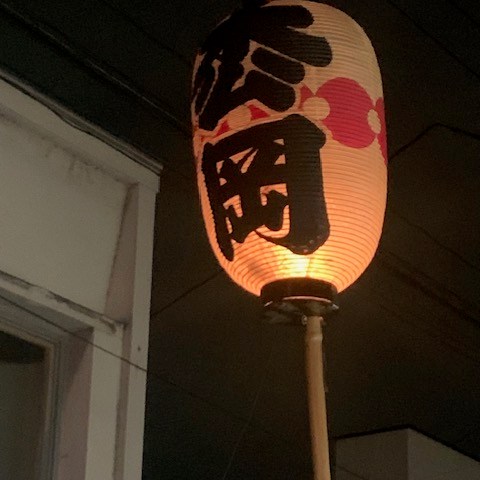
The biggest highlight of the trip and perfect way to end it was the Latern Festival in Nihonmatsu. Held over three days between the first Saturday and first Monday in October, the event is one of the three largest latern festivals in Japan and has been celebrated for nearly 400 years. Young children and adults pedal wooden floats carrying portable shrines surrounded by candle-lit laterns through the streets, with participants banging taiko drums and playing flutes. Delicious Sake, which Nihonmatsu has been known for since ancient times, is served alongside popular street food, like chocolate covered banannas. The festival is in commemoration of Niwa Mitsushige, a samurai lord who built a shrine that allowed both common and upper class folks to come together and pray.
To wind down from the festivities, I spent the night at my hostel’s onsen, a public bathhouse that is more like a spa and powered by hot springs. You can find these places anywhere you go in Japan. Most are manual today, but there are still some natural hot springs. You go in and wash off at a showering station and then slip into the jacuzzi. It’s a great way to unwind, often before bed and loosen up from any tension or stress. Fair warning, onsens are considered to be a form of purification and require you to be bare in both body and soul. In other words, you must be completely naked and cannot wear swimsuits. Most onsens are separated by sex, but some are mixed. Also, not all but many prohibit people with tattoos, as they are symbols of Yakuza (Japanese mafia). For obvious reasons, there are no photos of the onsen.
When I look back on 2025, especially this trip, it’s a humble reminder that I have so much that others do not. How many people get to travel to amazing destinations like this for as long as I could. I am able to as my company, being British, provides me with 24 vacation days. That is almost unheard of in most US-founded companies. Another privilege. I hope to remember this lesson as I head into 2026 and the years afterwards and have no doubt that there will be more opportunities that will make me reflect on just how amazing all the years of my life are and the opportunities they hold, no matter how challenging they may be at times.
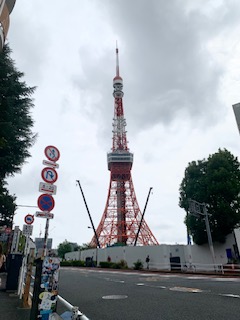
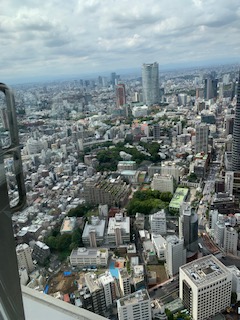
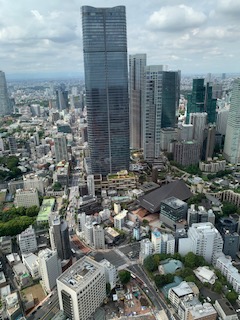
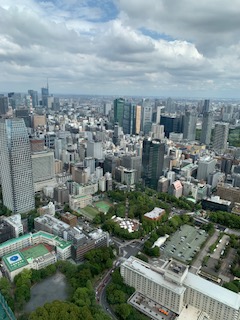
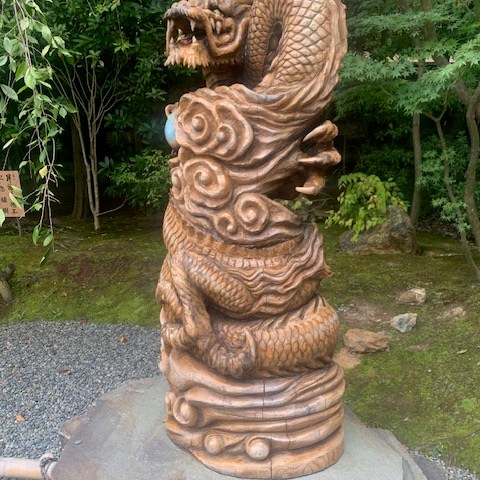
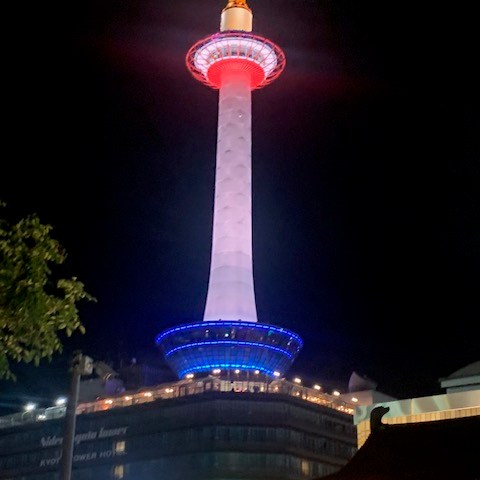
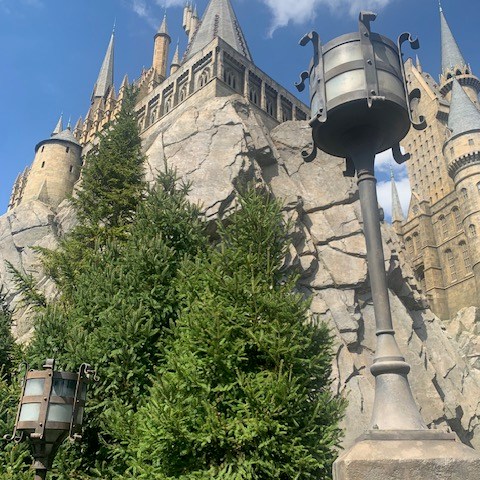
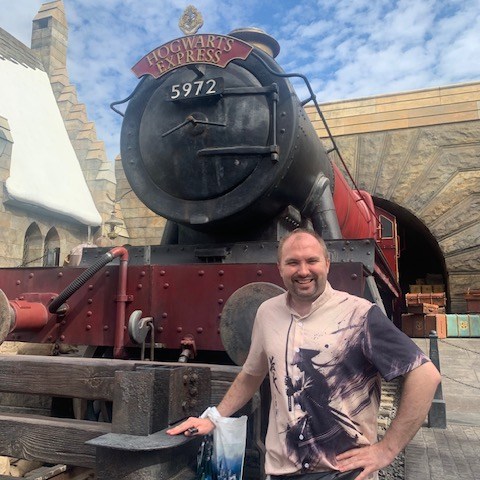
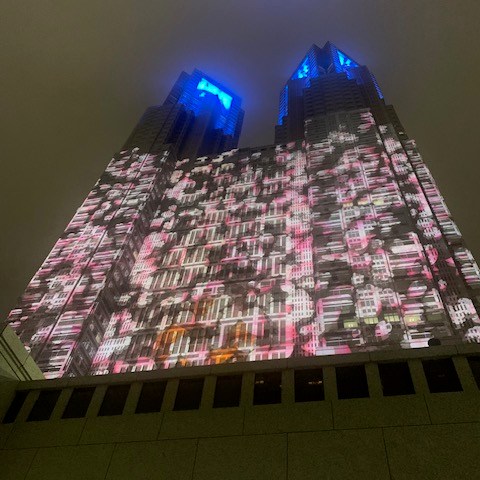
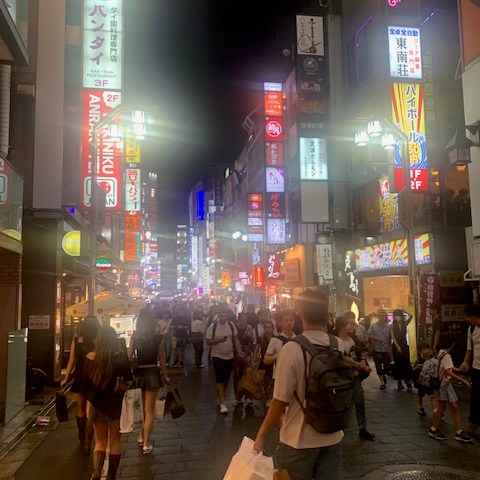
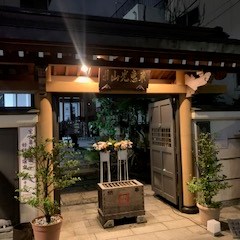
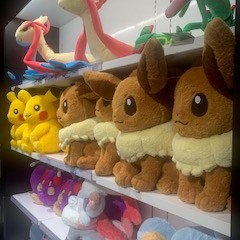
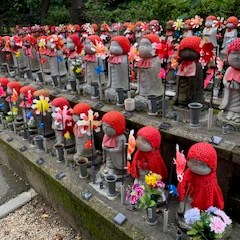
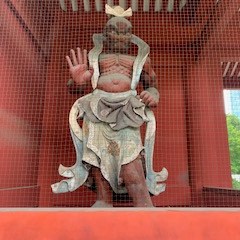
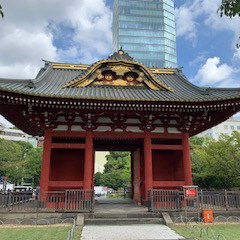
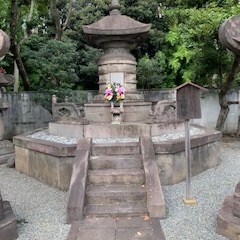
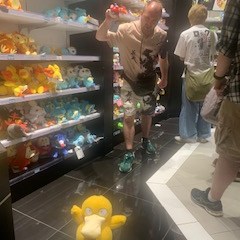
If you liked the photos above, here are some more from my trip below. With that, I’ll say goodbye to 2025. It was a great year for me, and I’m know 2026 will be filled with more adventures like this. Wishing you all a safe and peaceful Happy New Year!




 John R. Fischer
Leave a comment